
The State of Food Prices in Canada
Grocery costs in Canada have risen sharply over the past four years. According to the 2026 Canada Food Price Report published by Dalhousie University, the average Canadian family of four now spends between $16,000 and $17,500 annually on food, an increase of roughly 22 percent since 2022. Food inflation has consistently outpaced the general consumer price index, putting significant pressure on household budgets from Halifax to Vancouver.
Several factors drive these increases: supply chain disruptions, rising transportation costs across Canada's vast geography, the weakening Canadian dollar affecting imported goods, and climate events impacting domestic agricultural yields. The carbon tax, while important for environmental goals, also adds incremental costs to food production and distribution.
Despite these challenges, Canadians have more tools than ever to fight back against high food prices. Discount grocery chains are expanding, digital flyer apps make price comparison effortless, and community food programs have grown significantly. This guide breaks down exactly how to eat well for less in every region of Canada.
Average Grocery Spend per Canadian Household
Understanding what Canadians typically spend on food provides a benchmark for your own budget. Statistics Canada data, combined with the Dalhousie Food Price Report, reveals the following monthly averages for 2026:
| Household Size | Monthly Average | Annual Estimate | Budget Target (20% Savings) |
|---|---|---|---|
| Single person | $375 - $450 | $4,500 - $5,400 | $300 - $360 |
| Couple | $700 - $850 | $8,400 - $10,200 | $560 - $680 |
| Family of 4 | $1,100 - $1,400 | $13,200 - $16,800 | $880 - $1,120 |
| Family of 5+ | $1,350 - $1,700 | $16,200 - $20,400 | $1,080 - $1,360 |
The "Budget Target" column shows what is achievable when applying the strategies outlined in this guide. Most Canadian households can realistically cut 15 to 25 percent from their grocery spending through smarter shopping habits, store selection, and seasonal buying.
Province-by-Province Breakdown
Grocery costs vary dramatically across Canada. A basket of staples that costs $200 in Winnipeg might run $260 in Vancouver or over $400 in Iqaluit. Here is how each major region stacks up and how to maximize savings in each.

Ontario
As Canada's most populous province, Ontario offers the widest selection of grocery options but also faces intense demand-driven pricing in the Greater Toronto Area. The average Ontario family of four spends approximately $1,150 to $1,350 per month on groceries. Toronto and Ottawa are the most expensive cities, while smaller centres like London, Windsor, and Thunder Bay offer notably lower prices.
Savings strategies: Ontario has the strongest price-matching culture in Canada. No Frills and FreshCo both accept competitor flyer prices, meaning you can shop at one store while claiming the lowest advertised price from any local competitor. The PC Optimum program is especially valuable here, with regular 20x points events at Loblaws, No Frills, and Shoppers Drug Mart that effectively yield 30 percent discounts on targeted items.
British Columbia
BC is consistently among the most expensive provinces for groceries, with Vancouver ranking as the priciest city in Canada for food. A family of four in Metro Vancouver spends $1,200 to $1,450 per month. However, the province's mild climate creates unique savings opportunities not available elsewhere in Canada.
Savings strategies: Take advantage of BC's year-round growing season by shopping at farmers markets from May through October, where local produce is often 20 to 40 percent cheaper than supermarket equivalents. Ethnic grocery stores in Richmond, Surrey, and East Vancouver (especially T&T Supermarket and independent Asian grocers) offer significantly lower prices on rice, vegetables, tofu, and spices. The Okanagan region produces affordable seasonal fruit in summer that can be bought in bulk and preserved.
Alberta
Alberta benefits from no provincial sales tax, which helps on non-food household items purchased alongside groceries. The province's strong agricultural sector keeps prices for beef, grains, and canola-based products below the national average. A family of four typically spends $1,050 to $1,250 per month.
Savings strategies: Buy Alberta beef directly from local ranchers or through community buying groups at 30 to 50 percent below supermarket prices. Costco membership is particularly worthwhile in Alberta given the large household sizes in suburban Calgary and Edmonton. Superstore and No Frills are the price leaders in most Alberta communities, and the Flashfood app has strong adoption at Loblaws-banner stores throughout the province.
Quebec
Quebec is often the most affordable province for groceries in urban Canada, thanks to provincial regulations, strong local food production, and a competitive discount grocery sector. A Montreal family of four spends $900 to $1,100 per month, well below the national average.
Savings strategies: Maxi (Loblaw-owned) and Super C (Metro-owned) are Quebec's dominant discount chains, offering prices 10 to 20 percent below their full-service counterparts. Quebec's dairy pricing regulations keep milk and cheese more affordable than in other provinces. The province's thriving local agriculture means seasonal produce, especially berries, corn, and root vegetables, is abundant and affordable from June through October. Jean-Talon Market in Montreal and Marche du Vieux-Port in Quebec City offer excellent deals on local produce bought directly from farmers.
Manitoba and Saskatchewan
The prairie provinces benefit from proximity to agricultural production and lower cost of living. Manitoba families of four spend $950 to $1,100 per month, while Saskatchewan families spend $1,000 to $1,150. Winnipeg consistently ranks among the most affordable cities in Canada for groceries.
Savings strategies: Buy grains, pulses, and legumes directly from local producers or at bulk food stores for dramatic savings. Both provinces have strong community-supported agriculture (CSA) programs that provide weekly boxes of fresh produce throughout the growing season for $25 to $40 per week. The Forks Market in Winnipeg and the Saskatoon Farmers Market offer competitive prices on local meat and produce. Superstore is the dominant discount option across both provinces.
Atlantic Provinces
New Brunswick, Nova Scotia, Prince Edward Island, and Newfoundland and Labrador face higher grocery costs due to their geographic position and reliance on shipped goods. A family of four in the Atlantic region spends $1,100 to $1,350 per month, with Newfoundland being the most expensive of the four.
Savings strategies: Atlantic Canada's fishing industry provides access to affordable fresh seafood that is expensive elsewhere. Buy directly from fishing wharves and local fish markets for the best prices on cod, haddock, mussels, lobster (in season), and snow crab. PEI potatoes are among the cheapest in Canada when bought locally. The Atlantic Superstore chain offers competitive pricing and strong PC Optimum rewards. Growing a kitchen garden is particularly effective in PEI and Nova Scotia's fertile soil, and root cellaring is a traditional Atlantic Canadian practice that extends the harvest through winter.
Canadian Grocery Chain Comparison
Canada's grocery market is dominated by three major conglomerates: Loblaw Companies, Empire Company (Sobeys), and Metro Inc. Understanding which banners offer the best value is essential for budget-conscious shoppers.
| Chain | Parent Company | Price Level | Loyalty Program | Best For |
|---|---|---|---|---|
| No Frills | Loblaw | $$ | PC Optimum | Lowest everyday staples, price matching |
| FreshCo | Sobeys (Empire) | $$ | Scene+ | Fresh produce, ethnic foods, price matching |
| Walmart Supercentre | Walmart Canada | $$ | None | Packaged goods, household items, consistent low prices |
| Maxi / Super C | Loblaw / Metro | $$ | PC Optimum / Metro moi | Quebec shoppers, deep weekly discounts |
| Loblaws / Superstore | Loblaw | $$$ | PC Optimum | Selection, President's Choice products, Flashfood deals |
| Metro | Metro Inc. | $$$ | Metro moi | Quality produce, convenience, urban locations |
| Sobeys | Empire | $$$$ | Scene+ | Premium products, Compliments brand, Voila delivery |
The bottom line: For the tightest budgets, a rotation of No Frills (or Maxi in Quebec) for weekly staples, Walmart for packaged goods, and ethnic grocery stores for fresh produce and spices delivers the lowest overall grocery cost. Strategic use of PC Optimum points events can yield an additional 10 to 15 percent in effective savings on top of already-low prices.
Seasonal Savings Opportunities
Canada's distinct seasons create predictable price cycles that savvy shoppers can exploit. Buying produce in season is one of the simplest ways to cut grocery costs by 25 to 40 percent compared to buying imported equivalents off-season.
Spring (April to June)
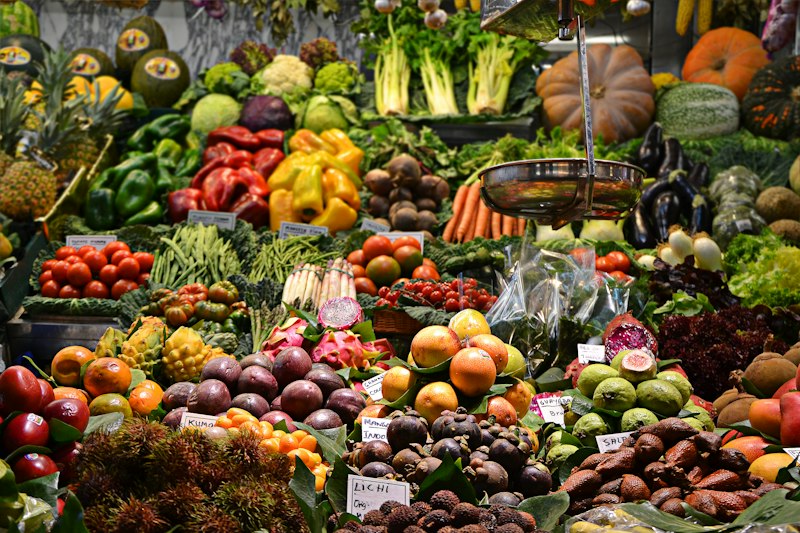
Asparagus, rhubarb, radishes, and leafy greens mark the start of Canadian growing season. Ontario asparagus in May costs roughly $2.50 per pound compared to $5.00 or more for imported asparagus in January. Spring is also the time to plant a kitchen garden, even a small balcony container garden can produce $200 to $400 worth of herbs and greens over the summer months.
Summer (July to September)
This is peak savings season. Canadian-grown berries (strawberries, blueberries, raspberries), sweet corn, tomatoes, peppers, zucchini, and stone fruits drop to their lowest prices. A flat of Ontario or BC strawberries costs $8 to $12 compared to $5 to $6 for a single pint in winter. Buy in bulk and freeze, can, or preserve to lock in summer prices year-round. Farmers markets are at their best during this period, with many vendors offering end-of-day discounts.
Fall (October to November)
Root vegetables, squash, apples, and pears hit peak availability and lowest prices. Ontario and Quebec apples cost as little as $0.75 per pound at orchard outlets. This is the ideal time for bulk purchasing and preservation. Many CSA programs offer fall harvest boxes packed with potatoes, carrots, onions, turnips, and beets at exceptional value for winter storage.
Winter (December to March)
Fresh produce prices peak as most items are imported. Focus on affordable staples like cabbage, carrots, potatoes, onions, and frozen Canadian-grown fruits and vegetables, which retain their nutrition and cost significantly less than fresh imports. Canned goods and dried legumes are your best friends during winter months. Watch for January sales as stores clear holiday inventory, often offering deep discounts on baking supplies, canned goods, and frozen items.
Ethnic Grocery Stores and Hidden Gems
One of the best-kept secrets for affordable eating in Canada is the network of ethnic and independent grocery stores found in every major city. These stores frequently undercut mainstream supermarkets by 20 to 50 percent on many staple items, particularly fresh produce, rice, spices, and legumes.
Asian grocery stores like T&T Supermarket (Loblaw-owned), H Mart, and hundreds of independent Chinese, Korean, Vietnamese, and Filipino grocers offer rice at $15 to $20 for a 20 lb bag compared to $25 or more at mainstream chains. Fresh produce, tofu, noodles, and sauces are consistently cheaper, and the selection of affordable vegetables like bok choy, gai lan, and daikon is unmatched.
South Asian grocery stores are unbeatable for lentils, dried beans, spices, and flatbreads. A kilogram bag of red lentils typically costs $2.50 to $3.50 compared to $5.00 or more for a smaller package at a mainstream store. Bulk spices cost a fraction of the supermarket spice aisle prices, often 70 to 80 percent less.
Middle Eastern and Mediterranean stores offer affordable olive oil, tahini, nuts, dried fruits, and grains. Bulk bins of chickpeas, bulgur, and couscous provide significant savings over packaged equivalents.
Latin American stores are excellent sources for affordable dried peppers, corn masa, beans, and tropical fruits. Many also carry budget-friendly cuts of meat that mainstream stores do not stock.
Farmers Markets Across Canada
Canada has over 700 farmers markets operating from coast to coast, and contrary to their reputation, many offer competitive or even lower prices than supermarkets, especially for in-season produce bought directly from the grower. The key is knowing when and how to shop.
Top budget-friendly markets by region:
- Ontario: St. Lawrence Market (Toronto), ByWard Market (Ottawa), Kitchener Market
- Quebec: Jean-Talon Market (Montreal), Marche du Vieux-Port (Quebec City)
- BC: Granville Island Public Market (Vancouver), Salt Spring Island Saturday Market
- Alberta: Calgary Farmers Market, Old Strathcona Farmers Market (Edmonton)
- Prairies: The Forks Market (Winnipeg), Saskatoon Farmers Market
- Atlantic: Halifax Seaport Farmers Market, Boyce Farmers Market (Fredericton)
Pro tip: Arrive in the last 30 to 60 minutes before closing. Many vendors offer 30 to 50 percent discounts on remaining produce rather than hauling it back. Building a relationship with specific vendors can also lead to regular discounts and first access to deals on surplus stock.
Canadian Food Assistance Programs
Canada offers a range of federal and provincial programs designed to make food more affordable for low and middle-income families. Many Canadians qualify for these benefits without realizing it.
Federal Programs
- Canada Child Benefit (CCB): Tax-free monthly payments of up to $7,437 per child under 6 and $6,275 per child aged 6 to 17 (2026 amounts). Calculated based on family income, with maximum benefits for families earning under $36,502.
- GST/HST Credit: Quarterly payments of up to $496 for singles and $650 for couples (plus $171 per child). Automatically assessed when you file your tax return.
- Nutrition North Canada: Subsidizes the cost of perishable nutritious food and essential hygiene products shipped to eligible remote northern communities. Subsidies range from $2.20 to $3.85 per kilogram depending on the community.
- Canada Workers Benefit: Refundable tax credit providing up to $1,518 for singles and $2,616 for families, freeing up income for food costs.
Provincial Programs
- Ontario Works / ODSP: Provides basic financial assistance including a food allowance for eligible residents.
- BC Income Assistance: Monthly support payments that include a shelter and food component for eligible individuals and families.
- Quebec Social Assistance: Aide sociale provides monthly benefits with provisions for basic needs including food.
- Alberta Income Support: Provides financial benefits for eligible individuals and families to cover basic living costs.
Community Resources
Food Banks Canada coordinates a network of over 4,750 food banks and community organizations serving more than 2 million Canadians monthly. Most food banks have removed barriers to access and no longer require proof of income. Community fridges and free food pantries have also expanded significantly in major cities since 2022, providing free groceries with no questions asked.
Community kitchens and cooking programs are available in many cities, offering free or low-cost meals while teaching participants to cook nutritious food on a budget. The Good Food Box program, available in Ontario and expanding to other provinces, delivers boxes of fresh produce at wholesale prices directly to community pickup points.
Apps and Tools for Canadian Shoppers
Technology has made it easier than ever to find the lowest grocery prices in Canada. These apps and tools, used consistently, can save the average household $150 to $300 per month.
| App / Tool | What It Does | Where It Works | Est. Monthly Savings |
|---|---|---|---|
| Flipp | Digital flyers, price matching assistant | All provinces | $50 - $100 |
| Flashfood | Near-expiry foods at 50% off from Loblaw stores | ON, AB, BC, NS, NB, MB | $40 - $80 |
| PC Optimum | Points at Loblaw-owned stores, bonus events | All provinces | $30 - $60 |
| Scene+ | Points at Sobeys, FreshCo, Safeway | All provinces | $20 - $50 |
| Checkout 51 | Cash-back rebates on specific products | All provinces | $15 - $30 |
| Too Good To Go | Surprise bags of surplus food from restaurants and bakeries | ON, QC, BC, AB | $20 - $40 |
Maximum impact strategy: Use Flipp each week to identify the lowest prices across all local stores and build your shopping list around the best deals. Use Flashfood to grab discounted meat, dairy, and produce from nearby Loblaw stores. Accumulate PC Optimum and Scene+ points by shopping during bonus events, then redeem during expensive weeks. Layer Checkout 51 cash-back offers on top of everything else. This stacked approach consistently yields savings of 25 to 35 percent off the average Canadian grocery bill.
Northern Canada Food Challenges
Food affordability in Northern Canada is a crisis that deserves special attention. Communities in Nunavut, the Northwest Territories, Yukon, and northern parts of several provinces face grocery prices that are two to four times higher than those in southern Canada. A bag of apples that costs $5 in Toronto can cost $15 to $20 in Iqaluit. A jug of milk might run $10 to $14.
These extreme prices are driven by the cost of air freight (the only year-round transport option for many communities), limited local food production, short growing seasons, and small market sizes that prevent economies of scale. The impact on health is severe: food insecurity rates in Nunavut exceed 50 percent, the highest in any developed region in the world.
Strategies for Northern Shoppers
- Maximize Nutrition North subsidies: Focus purchases on the most heavily subsidized items, including fresh and frozen fruits and vegetables, eggs, milk, bread, meat, and infant formula. These receive the highest subsidy per kilogram.
- Bulk ordering: Coordinate with neighbours and community members to place bulk orders during seasonal sealift or barge delivery windows (typically summer), when dry goods and shelf-stable items can be shipped at a fraction of the air freight cost.
- Traditional food harvesting: Country food including caribou, Arctic char, seal, berries, and other traditional harvests is not only culturally vital but provides nutritious food at low monetary cost. Community freezer programs help distribute harvested food equitably.
- Community greenhouses: Growing cold-hardy vegetables in community greenhouses or indoor hydroponic setups is expanding across the North, with initiatives in Inuvik, Iqaluit, and Yellowknife producing lettuce, herbs, and tomatoes year-round.
- Online grocery ordering: Services from southern retailers that ship to northern communities can sometimes offer lower prices than local stores for non-perishable goods, especially when combined with free shipping thresholds.
Key Takeaways
- Province matters: Quebec and Manitoba offer the lowest grocery prices in urban Canada, while BC and the Atlantic provinces are the most expensive. Understanding your region's pricing landscape is step one.
- Discount chains save 15 to 25 percent: No Frills, FreshCo, Maxi, Super C, and Walmart Supercentre consistently beat full-service stores like Loblaws, Metro, and Sobeys on everyday staples.
- Ethnic grocery stores are underrated: Asian, South Asian, and Middle Eastern grocery stores typically offer 20 to 50 percent savings on produce, rice, legumes, and spices compared to mainstream supermarkets.
- Season is everything: Buying Canadian-grown produce in season and preserving it for winter can cut your annual produce bill by 30 to 40 percent.
- Stack your savings tools: Combining Flipp, Flashfood, PC Optimum, and Checkout 51 creates a layered savings strategy that yields 25 to 35 percent off the average grocery bill.
- Know your benefits: The Canada Child Benefit, GST/HST Credit, and provincial programs collectively put thousands of dollars back into Canadian families' pockets each year. Ensure you are claiming everything you qualify for.
- Community resources are growing: Food banks, community fridges, Good Food Box programs, and community kitchens have expanded significantly and serve Canadians of all income levels without stigma.
Frequently Asked Questions
Quebec and Manitoba consistently rank as the cheapest provinces for groceries in Canada. Quebec benefits from provincial price regulations on dairy and bread, strong local agriculture, and competitive discount chains. Manitoba offers lower overhead costs and access to affordable prairie-grown staples. The average family of four in Quebec spends roughly $850 to $950 per month on groceries compared to $1,100 to $1,300 in British Columbia.
As of 2026, the average Canadian household spends approximately $1,100 to $1,200 per month on groceries, according to Statistics Canada data. This varies significantly by province, household size, and dietary choices. A single person typically spends $350 to $450, a couple spends $650 to $800, and a family of four spends $1,000 to $1,400. These figures have increased roughly 20 percent since 2022 due to food inflation.
No Frills and FreshCo consistently offer the lowest grocery prices among Canadian chains, typically 15 to 25 percent cheaper than full-service stores like Loblaws or Sobeys. Walmart Supercentres are also highly competitive, especially for packaged goods and household staples. For the absolute lowest prices, combining No Frills for staples, ethnic grocery stores for produce and spices, and Walmart for packaged goods can reduce your grocery bill by up to 30 percent.
Canada offers several food assistance programs including the Canada Child Benefit (CCB) for families with children, the GST/HST Credit for low-income individuals, provincial social assistance programs, and the Nutrition North Canada subsidy for remote communities. Additionally, Food Banks Canada coordinates over 4,750 food banks and community organizations. Many provinces offer specific programs such as Ontario Works, BC Income Assistance, and Quebec Social Assistance.
Saving on groceries in Northern Canada requires strategic planning. Take advantage of Nutrition North Canada subsidies on eligible foods, buy shelf-stable staples in bulk during southern trips or through online ordering, participate in community freezer programs, and harvest traditional foods when possible. Growing cold-hardy vegetables in short-season gardens or community greenhouses can also reduce costs. Some communities organize group purchasing cooperatives to share shipping costs on bulk orders.
The best grocery savings apps for Canadian shoppers include Flipp for browsing digital flyers and price matching across stores, Flashfood for discounted near-expiry foods at up to 50 percent off, PC Optimum for earning and redeeming points at Loblaws-owned stores, Scene+ for savings at Sobeys and FreshCo, and Checkout 51 for cash-back rebates on specific products. Using a combination of these apps, Canadian shoppers report saving $150 to $300 per month on average.