Why Grocery Prices Vary by Region
If you have ever moved from the Midwest to the West Coast or traveled from Toronto to Mexico City, you already know that food costs can swing dramatically from one region to the next. According to the Bureau of Labor Statistics, a basket of groceries that costs $150 in Houston may run $215 in San Francisco and just $40 in Guadalajara. Understanding why these differences exist is the first step toward exploiting them.
Several core factors drive regional grocery price disparities across North America:
- Real estate and operating costs: Rent and labor account for 25-35% of a grocery store's overhead. In high-cost cities like New York and Vancouver, those costs are passed directly to consumers through higher shelf prices.
- Transportation and logistics: Regions far from major agricultural zones pay a premium for shipping. Hawaii and northern Canada face the steepest transport surcharges, but even northeastern cities pay more because much of North America's produce originates in California, Mexico, and the Great Plains.
- Local competition: Markets with multiple discount chains (Aldi, Lidl, WinCo) experience price pressure that benefits consumers. Areas dominated by a single grocer or upscale chains tend to run 15-25% higher.
- Tax policy: Some US states exempt groceries from sales tax entirely (including most of the Southeast), while others charge the full rate. Canadian provinces add GST/HST to certain processed foods, and Mexico applies IVA to non-essential food items.
- Proximity to agriculture: Cities surrounded by farmland, such as those in the Midwest, California's Central Valley, and central Mexico, benefit from shorter supply chains and fresher produce at lower prices.
- Currency and trade policy: Canada's supply management system keeps dairy and poultry prices artificially high. Mexico's lower labor costs reduce food prices across the board, though imported goods carry tariff premiums.
The good news: no matter where you live, there are proven strategies to spend less. This guide breaks down average costs and targeted tips for each major region across the United States, Canada, and Mexico.
US Northeast: New York City & Boston
Average weekly grocery cost (family of four): $210 - $260
The Northeast is consistently among the most expensive regions for groceries in the United States. New York City tops the list, with grocery prices running 25-30% above the national average, driven by astronomical commercial rents, congested delivery routes, and a population dense enough that stores rarely need to compete on price alone. Boston follows closely at 15-20% above average, though its robust network of ethnic markets offers some relief.
The key driver of Northeastern grocery costs is space. Stores in Manhattan are small, limiting inventory and preventing the bulk-discount model that works in suburban regions. Even in the outer boroughs and suburbs, real estate costs cascade into higher prices for staples like milk ($5.50-$6.50 per gallon vs. the national average of $4.20), bread ($4.00-$5.00 per loaf), and eggs ($4.50-$6.00 per dozen).
Best Savings Strategies for the Northeast
- Shop at Aldi and Market Basket instead of conventional chains like Stop & Shop or ShopRite. Aldi saves the average Northeastern household 30-40% on identical staples.
- Leverage ethnic grocery stores in Chinatown, Little Italy, and Hispanic neighborhoods for produce, rice, spices, and proteins at 20-50% less than mainstream supermarkets.
- Join a CSA (Community Supported Agriculture) program. The Northeast has the densest network of CSAs in the country, delivering seasonal produce boxes for $25-$35 per week, well below supermarket equivalent costs.
- Use Flashfood and Too Good To Go apps to purchase discounted near-expiry items from stores like Whole Foods, Trader Joe's, and local bakeries. Average savings: $8-$15 per order.
- Time your shopping for mid-week (Tuesday-Thursday) when stores markdown perishables and restock shelves with fresh sale cycles.
US Southeast: Atlanta & Miami
Average weekly grocery cost (family of four): $155 - $195
The Southeast enjoys some of the lowest grocery prices in the nation, thanks to a combination of no grocery tax in many states, low commercial rents, and intense retailer competition. Atlanta sits roughly 8-12% below the national average, benefiting from its role as a major distribution hub and the presence of discount-oriented chains. Georgia, along with most Southern states, does not levy sales tax on groceries, providing an immediate savings advantage.
Miami presents a more nuanced picture. While base grocery costs in Miami are close to the national average, the city's vibrant network of Latin American markets, produce stands, and warehouse clubs offers significant savings opportunities for those willing to shop beyond conventional supermarkets. Fresh tropical produce is particularly affordable given Miami's proximity to Caribbean and Central American supply routes.
Best Savings Strategies for the Southeast
- Master Publix BOGO (Buy One, Get One) sales. Publix rotates BOGO offers weekly, and strategic shoppers report saving $40-$60 per week by planning meals around these cycles.
- Shop Aldi, Lidl, and Food Lion for everyday staples. The Southeast has the highest density of discount grocers in the country.
- Buy produce at international markets. Atlanta's Buford Highway corridor and Miami's Little Havana have produce prices 30-40% below Kroger and Publix.
- Take advantage of double-coupon programs still offered by several Southern chains, effectively halving the price of hundreds of items.
- Grow your own herbs and vegetables. The Southeast's long growing season makes home gardening a realistic supplement to grocery shopping nearly year-round.
US Midwest: Chicago & Minneapolis
Average weekly grocery cost (family of four): $160 - $200
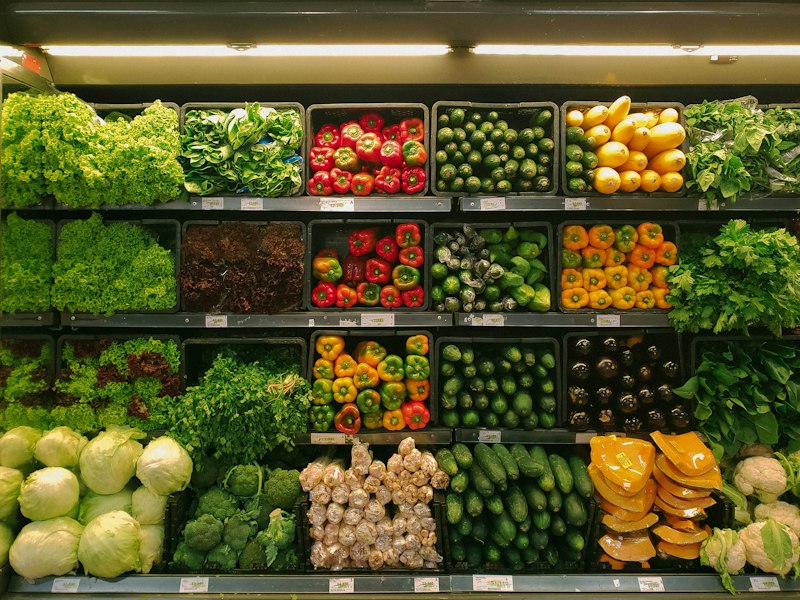
The Midwest consistently ranks among the most affordable regions for groceries in the US. Chicago, despite being the third-largest city, maintains prices only slightly above the national average, thanks to fierce competition among Aldi (which is headquartered in the Chicago suburbs), Jewel-Osco, Mariano's, and a growing number of international markets. Minneapolis runs about 5% below the national average, bolstered by the presence of Hy-Vee, Aldi, and the thriving cooperative grocery movement.
The region's advantage is clear: the Midwest is the breadbasket of America. Proximity to grain, dairy, and meat production means shorter supply chains and lower shelf prices for staples. A gallon of milk averages $3.60-$4.00, a dozen eggs $3.50-$4.50, and ground beef $4.50-$5.50 per pound. These savings add up to $2,000-$3,500 per year compared to shopping in the Northeast or West Coast.
Best Savings Strategies for the Midwest
- Make Aldi your primary store. Founded in the Midwest, Aldi's prices here are among the lowest in the country. A full weekly shop for a family of four can come in under $130.
- Join a food cooperative. Minneapolis alone has over a dozen co-ops offering member discounts, bulk-bin savings, and locally sourced produce at fair prices.
- Buy directly from farms. Farm stands, U-pick operations, and farmer-to-consumer programs are abundant. Buying a half or quarter cow from a local rancher saves 30-40% on beef for the year.
- Stock up during Midwestern sales cycles. Regional chains run aggressive loss-leader promotions on meat and dairy. Freeze in bulk to lock in prices.
- Embrace seasonal canning and preserving. The Midwest's bountiful harvest season (July-October) is the ideal time to buy produce in bulk for canning, drying, or freezing.
US Southwest: Phoenix & Dallas
Average weekly grocery cost (family of four): $165 - $205
The Southwest offers a middle-ground grocery market with some unique advantages. Phoenix and Dallas both hover near the national average, with prices running 2-5% below in most categories. The region benefits from proximity to Mexican agricultural imports, a year-round growing season for certain crops, and an increasingly competitive retail landscape. Texas, notably, exempts most groceries from state sales tax, adding another layer of savings.
Dallas has emerged as a particularly strong market for budget-conscious shoppers thanks to the arrival of WinCo Foods, the expansion of Aldi, and the continued dominance of H-E-B in the broader Texas market. H-E-B's store-brand products are widely considered among the best value propositions in American grocery retail, with quality rivaling national brands at 25-40% lower prices.
Best Savings Strategies for the Southwest
- Shop at H-E-B and its budget line, Hill Country Fare. Texans consistently rank H-E-B as the top grocery value in the state, with store-brand savings averaging 30-35%.
- Visit Mexican supermarkets like Fiesta Mart, El Rancho, and Cardenas Markets. These chains offer produce, meat, and pantry staples at prices 20-35% below mainstream grocers, particularly for peppers, tomatoes, avocados, and dried beans.
- Buy produce in season locally. Phoenix's winter growing season produces affordable citrus, leafy greens, and root vegetables from November through March.
- Use WinCo Foods for bulk staples. WinCo's employee-owned model and bulk-bin section offer rice, oats, flour, and nuts at wholesale prices without a membership fee.
- Stock up on proteins at warehouse clubs. Costco and Sam's Club membership savings in the Southwest average $600-$900 per year for families who buy meat, cheese, and eggs in bulk.
US West Coast: Los Angeles, San Francisco & Seattle
Average weekly grocery cost (family of four): $200 - $270
The West Coast presents the widest price variance of any US region. San Francisco is the most expensive city for groceries in the continental US, running 30-35% above the national average. A gallon of milk costs $5.80-$6.50, a dozen eggs $5.50-$7.00, and a pound of chicken breast $5.00-$6.50. Los Angeles is only marginally cheaper (20-25% above average), while Seattle sits at about 15-20% above average. These premiums are driven by California's high minimum wage, expensive commercial real estate, and consumer preference for organic and specialty items.
However, the West Coast also boasts unique advantages. California produces over one-third of the nation's vegetables and two-thirds of its fruits and nuts. Shoppers who know where to look can find exceptional deals on fresh produce that would cost significantly more in other regions. The key is bypassing premium supermarkets in favor of discount chains, ethnic markets, and direct farm purchasing.
Best Savings Strategies for the West Coast
- Shop Grocery Outlet and WinCo. Grocery Outlet offers brand-name products at 40-60% below conventional retail through opportunistic buying. WinCo's bulk bins are unbeatable for grains, legumes, and spices.
- Visit Asian and Latin American markets. 99 Ranch Market, H Mart, Vallarta Supermarkets, and Cardenas offer produce and proteins at 25-40% less than Safeway or Vons.
- Shop at farmers markets during the last hour. Vendors frequently discount produce by 30-50% near closing time to avoid hauling unsold inventory home.
- Use Trader Joe's strategically. While Trader Joe's is not always the cheapest, their private-label staples (rice, pasta, canned goods, frozen meals) are consistently 20-30% below competitors.
- Buy produce from roadside stands in California's Central Valley when traveling. Strawberries, stone fruits, and vegetables sell for a fraction of urban prices.
Canada: Toronto, Vancouver & Montreal
Average weekly grocery cost (family of four): CAD $275 - $350 (approximately USD $200 - $255)
Canadian grocery prices run 20-30% higher than comparable US cities, driven by supply management systems that inflate dairy and poultry costs, vast transportation distances, a smaller retail market, and the exchange rate disadvantage on imported goods. Among major cities, Montreal tends to be the most affordable (benefiting from Quebec's agricultural base and competitive chains like Maxi and Super C), while Vancouver is the most expensive, with grocery costs rivaling San Francisco when adjusted for the exchange rate.
Toronto
Toronto averages CAD $290-$340 per week for a family of four. The Greater Toronto Area has excellent discount options if you know where to look. No Frills (Loblaw's discount banner) consistently offers the lowest prices on staples, while FreshCo and Food Basics compete aggressively on produce and meat. The city's enormous multicultural market scene is another major advantage: stores in Scarborough, Brampton, and the Kensington Market area offer produce, grains, and spices at 20-40% below mainstream chains.
Vancouver
Vancouver runs about 10-15% higher than Toronto, with a family of four spending CAD $310-$360 weekly. The city's isolation from major Canadian agricultural regions and high real estate costs drive premiums. Savings strategies center on shopping at No Frills, Real Canadian Superstore (for bulk and PC brand products), and the dense network of Asian grocery stores in Richmond and along Kingsway, where produce, tofu, noodles, and seafood cost 25-45% less than at Safeway or Save-On-Foods.
Montreal
Montreal is the most affordable of Canada's big three, with weekly costs of CAD $260-$310 for a family of four. Quebec's proximity to dairy farms and its competitive market structure (Maxi, Super C, PA, Adonis) keep prices in check. The Jean-Talon Market and Atwater Market are iconic sources of fresh, local produce at fair prices, particularly during the summer harvest season from June through October.
Best Savings Strategies for Canada
- Stack PC Optimum points at No Frills and Real Canadian Superstore. Strategic point redemption can yield $50-$100 in free groceries per month.
- Price-match aggressively. Walmart Canada and several other chains honor competitors' flyer prices, saving you from visiting multiple stores.
- Buy meat in bulk at Costco. Canadian Costco meat prices are often 25-35% below conventional grocers. Portion and freeze for weekly use.
- Use the Flipp app to compare weekly flyers across all local chains and plan your shopping around the best deals.
- Shop ethnic grocery stores for produce, pantry staples, and proteins. South Asian, East Asian, and Middle Eastern stores undercut mainstream chains by 20-40% on hundreds of items.
Mexico: Mexico City & Guadalajara
Average weekly grocery cost (family of four): MXN $1,000 - $1,800 (approximately USD $55 - $100)
Mexico offers dramatically lower grocery costs than both the US and Canada, with food prices running 50-70% below American equivalents. The primary reasons are lower labor costs, shorter supply chains for domestic produce, widespread traditional markets (mercados) that bypass retail overhead, and government subsidies on staple foods like tortillas, beans, and milk through programs like DICONSA.
Mexico City
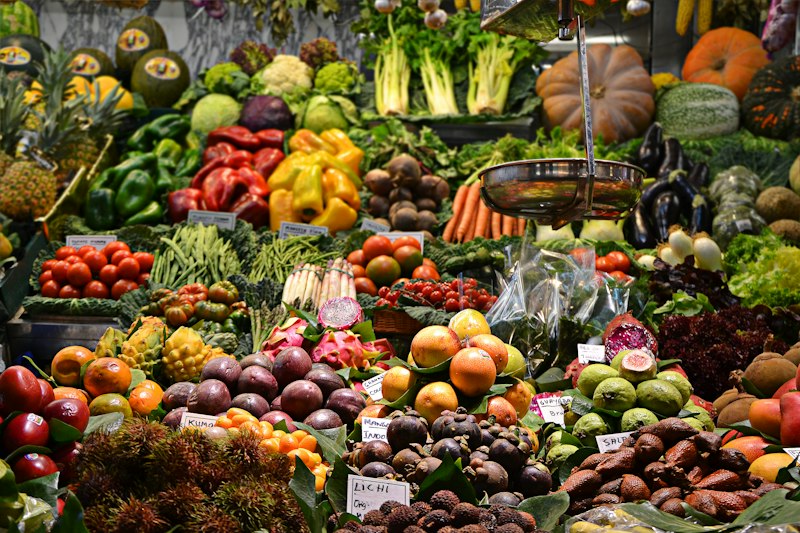
Mexico City's massive network of mercados is the foundation of affordable eating. The city has over 300 traditional markets and thousands of tianguis (weekly street markets) where a family can purchase a week's worth of produce, proteins, and staples for MXN $800-$1,200 (USD $45-$70). Popular mercados like La Merced, Jamaica, and Sonora offer wholesale-adjacent pricing on fruits, vegetables, dried chilies, grains, and fresh meats. Even supermarket chains like Bodega Aurrera (Walmart's budget brand in Mexico) and Soriana offer prices that American shoppers find remarkably affordable.
Guadalajara
Guadalajara rivals Mexico City for affordability and arguably offers even better deals on produce thanks to its location in the agricultural heartland of Jalisco. The Mercado Libertad (San Juan de Dios) is the largest indoor market in Latin America, offering everything from fresh produce and meat to prepared foods at rock-bottom prices. A kilogram of tomatoes runs MXN $15-$25 (under $1.50 USD), avocados MXN $30-$50 per kilo, and fresh tortillas MXN $18-$22 per kilo. Weekly tianguis throughout the city offer even lower prices on seasonal produce.
Best Savings Strategies for Mexico
- Shop at mercados and tianguis instead of supermarkets. Prices are 30-50% lower, and freshness is often superior since vendors source directly from farms.
- Buy tortillas from local tortillerias rather than packaged brands. Fresh corn tortillas cost MXN $18-$22 per kilo (about $1 USD) and are a dietary staple that replaces more expensive carbs like bread.
- Purchase seasonal fruits in bulk. Mexico's tropical climate produces an abundance of mangoes, papayas, guavas, and citrus at prices that make them among the cheapest foods per calorie available.
- Use Bodega Aurrera for pantry staples. Walmart's Mexican discount brand offers shelf-stable goods like rice, beans, cooking oil, and canned items at the lowest supermarket prices in the country.
- Cook at home using traditional recipes. Mexican home cooking is inherently budget-friendly: beans, rice, tortillas, salsas, and seasonal vegetables form the base of meals that cost MXN $30-$50 (under $3 USD) per serving.

City-by-City Weekly Grocery Cost Comparison
The table below compares average weekly grocery costs for a family of four across major North American cities, based on a moderate spending plan that includes a balanced diet of produce, proteins, grains, and dairy.
| City | Country | Avg. Weekly Cost (Local) | Avg. Weekly Cost (USD) | vs. US National Avg. |
|---|---|---|---|---|
| New York City | US | $235 | $235 | +28% |
| Boston | US | $220 | $220 | +20% |
| San Francisco | US | $250 | $250 | +36% |
| Los Angeles | US | $225 | $225 | +23% |
| Seattle | US | $215 | $215 | +17% |
| Chicago | US | $185 | $185 | +1% |
| Minneapolis | US | $175 | $175 | -5% |
| Atlanta | US | $170 | $170 | -7% |
| Miami | US | $195 | $195 | +6% |
| Phoenix | US | $180 | $180 | -2% |
| Dallas | US | $175 | $175 | -5% |
| Toronto | Canada | CAD $315 | $230 | +25% |
| Vancouver | Canada | CAD $340 | $248 | +35% |
| Montreal | Canada | CAD $285 | $208 | +13% |
| Mexico City | Mexico | MXN $1,100 | $62 | -66% |
| Guadalajara | Mexico | MXN $950 | $53 | -71% |
Note: US national average for a family of four on a moderate plan is approximately $183 per week (USDA, 2026). Canadian and Mexican figures converted at approximate exchange rates of CAD $1 = USD $0.73 and MXN $1 = USD $0.056. Actual costs vary based on dietary preferences, household size, and shopping habits.
Key Takeaways
- Location matters, but strategy matters more. Even in the most expensive cities, shoppers who use discount chains, ethnic markets, and apps consistently spend 25-40% less than those who default to conventional supermarkets.
- The Midwest and Southeast are the most affordable US regions for groceries, thanks to proximity to agriculture, low commercial rents, and no grocery tax in most states.
- Canada's prices are 20-30% above the US, but programs like PC Optimum, price matching, and ethnic grocery stores can close much of that gap.
- Mexico's mercados offer the lowest grocery prices in North America, with produce, tortillas, and proteins available at 50-70% less than US supermarket equivalents.
- Ethnic and international grocery stores are the single most underused savings resource across every region studied. They consistently offer the best value on produce, grains, spices, and proteins.
- Seasonal shopping and local sourcing reduce costs in every region. Buying what grows nearby and in season saves 20-40% on fresh produce compared to imported, out-of-season alternatives.
- Technology bridges regional gaps. Apps like Ibotta, Flipp, Flashfood, and Too Good To Go help shoppers in expensive cities access discounts that were previously only available through coupons and flyers.
Frequently Asked Questions
The Southeast and Midwest consistently have the lowest grocery prices in the United States. Cities like Atlanta, Memphis, and Minneapolis offer grocery costs 10-20% below the national average. Contributing factors include lower real estate costs for retailers, proximity to agricultural production, and lower overall cost of living. The USDA reports that a family of four in the Southeast can feed themselves for roughly $150-$175 per week on a moderate plan, compared to $210-$250 in coastal cities like San Francisco or New York.
On average, groceries in Canada cost 20-30% more than in the United States. Key factors include a smaller domestic market, higher transportation costs across vast distances, supply management systems for dairy and poultry, and import tariffs. A typical weekly grocery bill for a family of four in Toronto runs about CAD $275-$325, compared to USD $180-$220 in a comparable US city like Chicago. However, Canadians can offset these costs by shopping at discount chains like No Frills, FreshCo, and Food Basics.
Yes, shopping at traditional Mexican mercados (open-air markets) is typically 30-50% cheaper than supermarket chains like Walmart, Soriana, or Chedraui. Mercados source directly from local farmers and producers, eliminating middlemen and retail markups. Fresh produce, meat, spices, and prepared foods are all significantly cheaper. A family of four in Mexico City can spend as little as MXN $800-$1,200 per week (approximately USD $45-$70) shopping exclusively at mercados, compared to MXN $1,500-$2,200 at a supermarket chain.
The best budget grocery chains vary by region. In the Northeast, Aldi and Market Basket offer the lowest prices. In the Southeast, Publix BOGOs and Aldi are top picks. The Midwest benefits from Aldi, Meijer, and Hy-Vee store brands. In the Southwest, WinCo Foods and Fry's (Kroger) provide excellent value. On the West Coast, Grocery Outlet, WinCo, and Trader Joe's offer strong savings. Nationally, Walmart, Costco, and Aldi consistently rank among the cheapest options regardless of location.
Living in expensive cities like San Francisco, New York, or Vancouver requires a multi-pronged approach. First, shop at discount chains (Aldi, Grocery Outlet, No Frills) instead of conventional supermarkets. Second, visit ethnic grocery stores and local farmers markets near closing time for markdowns. Third, join a wholesale club like Costco and split bulk purchases with neighbors. Fourth, use cashback apps like Ibotta and Checkout 51. Fifth, buy seasonal produce and frozen vegetables instead of out-of-season fresh items. These combined strategies can reduce a high-cost-area grocery bill by 25-40%.
Yes, seasonal fluctuations can cause 20-60% price swings for fresh produce across North America. In winter, fresh vegetables in northern US and Canadian cities spike because they must be imported from warmer regions or Mexico. Summer and fall harvests bring the cheapest produce prices, especially at farmers markets. Mexico experiences less seasonal variation due to year-round growing conditions, but rainy season (June-October) affects certain crops. The best strategy is to buy what is in season locally, stock up on sale items, and rely on frozen produce during off-season months to maintain nutrition while controlling costs.