Food Culture and Affordability in Mexico
Mexico is one of the most affordable countries in the world for eating well. The national cuisine is built on inexpensive staples: corn tortillas, dried beans, rice, and chiles form the backbone of daily meals that have sustained families for centuries. Unlike many Western countries where eating affordably often means sacrificing flavor and variety, Mexico's food culture seamlessly merges economy with culinary richness.
The average Mexican household spends roughly 35 to 40 percent of its income on food, a figure that underscores how deeply food infrastructure is oriented toward affordability. Government-subsidized tortilla programs, widespread public markets, and a thriving street food economy all contribute to keeping prices accessible. For travelers and expats, this translates to an extraordinary opportunity: you can eat three full, flavorful meals per day for $8 to $15 USD without resorting to fast food or processed convenience items.
Understanding how Mexicans actually eat is the first step toward eating affordably. The main meal of the day, la comida, is served between 2:00 and 4:00 PM and typically includes multiple courses. Breakfast (desayuno) tends to be lighter, while dinner (cena) is often the simplest meal. Aligning your eating schedule with these local patterns opens the door to the best values, particularly the legendary comida corrida set lunch menus offered at fondas across the country.
Mercados vs. Supermarkets: Where to Shop
The single most impactful decision for your food budget in Mexico is where you shop. Mexico's mercados municipales (municipal markets) are sprawling public markets found in every city and most towns. They offer produce, meat, seafood, dry goods, prepared foods, and household items at prices that consistently undercut supermarkets by 20 to 40 percent.
| Item | Mercado Price (MXN/kg) | Supermarket Price (MXN/kg) | Savings |
|---|---|---|---|
| Tomatoes | 18-25 | 32-45 | 35-45% |
| Avocados | 40-60 | 70-100 | 35-43% |
| Chicken (whole) | 55-70 | 80-110 | 30-36% |
| Onions | 12-18 | 22-30 | 40-45% |
| Dried Beans | 22-30 | 35-48 | 37-38% |
| Fresh Chiles | 15-30 | 30-55 | 45-50% |
| Eggs (30-pack) | 55-70 | 75-95 | 26-27% |
Major supermarket chains like Soriana, Chedraui, Walmart (Bodega Aurrera), and La Comer offer convenience, consistent quality, and air conditioning, but you pay a premium for these comforts. The exception is Bodega Aurrera, Walmart's discount format, which often approaches mercado prices on staples and is the best supermarket option for budget shoppers. Their house brand, Great Value, covers most pantry essentials at competitive prices.
At mercados, prices are sometimes negotiable, especially when buying in quantity or shopping near closing time. Building a relationship with specific vendors (marchantes) often leads to better prices, larger portions, and occasional freebies known as pilones.

Fondas and Comedores: Mexico's Affordable Eateries
If one institution defines affordable eating in Mexico, it is the fonda. These small, family-run restaurants are found in every neighborhood, market, and commercial district across the country. A fonda typically serves a comida corrida (set lunch menu) that includes soup or broth, rice or pasta, a main dish with tortillas, agua fresca, and sometimes a small dessert, all for a fixed price of 60 to 90 pesos ($3.50 to $5.25 USD).
Comedores are similar establishments, often even more basic in decor, found inside or adjacent to mercados. They tend to be slightly cheaper than fondas, with comida corrida prices ranging from 50 to 75 pesos ($2.90 to $4.40 USD). The food quality at comedores can be exceptional since they source ingredients directly from the surrounding market stalls, ensuring freshness and reducing cost.
Fondas and comedores share several characteristics that keep prices low. They operate with minimal overhead: family members provide the labor, menus change daily based on ingredient availability, and the high-volume, fixed-menu format reduces waste. The result is home-cooked quality at a fraction of what sit-down restaurants charge.
To find the best fondas, follow the local workforce at lunchtime. Offices, workshops, and commercial zones are always surrounded by fondas competing for the midday rush. A fonda packed with locals at 2:00 PM is a reliable signal of quality and value. Avoid any fonda advertising in English or positioned on a tourist-oriented street, as prices typically increase 30 to 50 percent in these locations.
Street Food Economics
Mexican street food is not just delicious; it is an economic ecosystem that delivers remarkable value. Understanding the pricing structure helps you eat extraordinarily well on a tight budget.
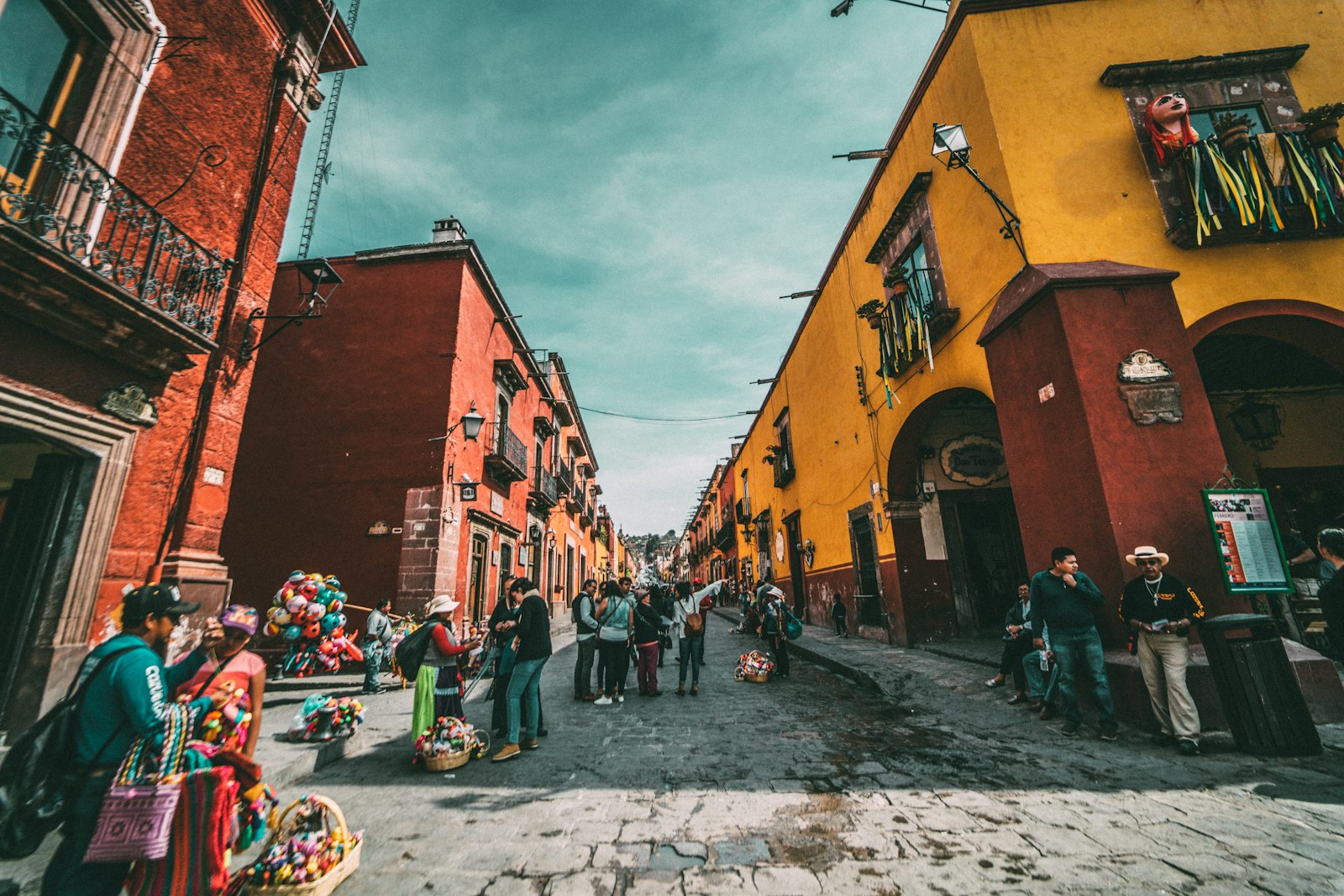
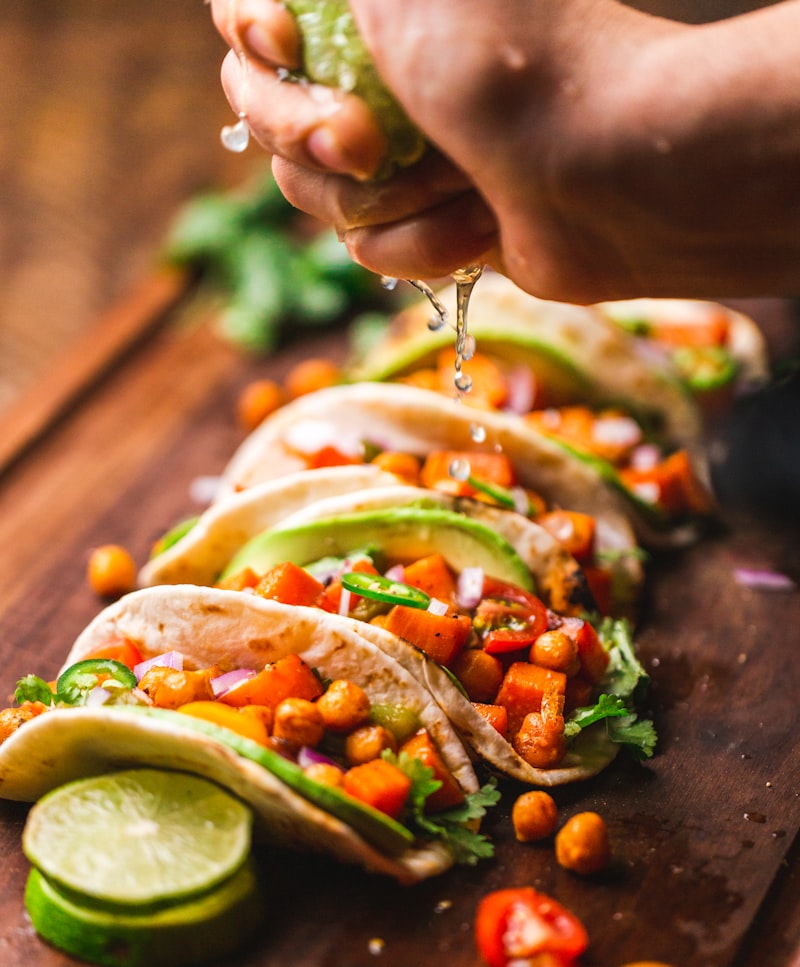
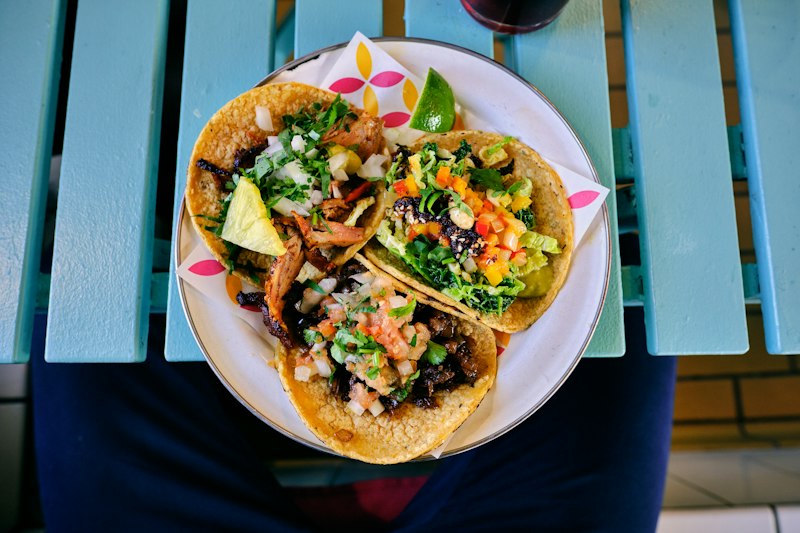
Tacos remain the king of Mexican street food value. At a typical taco stand, individual tacos cost 10 to 20 pesos ($0.60 to $1.20 USD) depending on the filling. Pastor (spit-roasted pork), suadero (brisket), and tripa (tripe) tend to be the cheapest at 10 to 15 pesos, while bistec (steak) and costilla (rib) run 15 to 20 pesos. A filling meal of four to five tacos with unlimited salsa, lime, and onions costs 50 to 80 pesos ($2.90 to $4.70).
| Street Food Item | Price Range (MXN) | Price Range (USD) | Meal for One |
|---|---|---|---|
| Tacos (each) | 10-20 | $0.60-$1.20 | $2.90-$4.70 |
| Tamales (each) | 15-25 | $0.90-$1.50 | $1.80-$3.00 |
| Tortas | 35-60 | $2.05-$3.50 | $2.05-$3.50 |
| Elotes/Esquites | 20-35 | $1.20-$2.05 | $1.20-$2.05 |
| Quesadillas | 15-30 | $0.90-$1.75 | $2.60-$5.25 |
| Gorditas | 20-35 | $1.20-$2.05 | $2.40-$4.10 |
| Tlayudas (Oaxaca) | 50-80 | $2.90-$4.70 | $2.90-$4.70 |
Other excellent street food values include tamales (15 to 25 pesos), which are particularly cheap for breakfast, and tortas (pressed sandwiches) at 35 to 60 pesos for a substantial, filling meal. Elotes (grilled corn) and esquites (corn in a cup) make for affordable snacks at 20 to 35 pesos. In Mexico City, tlacoyos (stuffed masa patties) from market vendors are one of the best values at 10 to 15 pesos each.
Regional Specialties by Cost
Mexico's culinary landscape varies enormously by region, and so do food costs. Understanding these regional differences helps you plan where and what to eat for the best value.
Mexico City (CDMX)
The capital offers unparalleled variety at surprisingly low prices. Comida corrida at fondas averages 65 to 90 pesos ($3.80 to $5.25). The city's mercados, particularly La Merced, Central de Abastos (the largest food market in the Americas), and Mercado de Jamaica, offer wholesale prices on produce and protein. Neighborhoods like Tepito, Doctores, and Iztapalapa have the lowest food prices, while Roma, Condesa, and Polanco can cost two to three times more for comparable meals.
Oaxaca
Widely regarded as Mexico's culinary capital, Oaxaca offers extraordinary food value. A comida corrida costs 55 to 75 pesos ($3.20 to $4.40). Mercado 20 de Noviembre and the Central de Abastos are must-visits. Signature dishes like tlayudas (40 to 70 pesos), memelitas (15 to 25 pesos), and empanadas de mole (10 to 20 pesos) deliver complex flavors at minimal cost. Oaxacan chocolate, mole pastes, and chapulines (grasshoppers) are affordable local specialties to explore.
Guadalajara
Mexico's second-largest city offers excellent value, especially for its signature dishes. Birria (spiced goat or beef stew) costs 60 to 90 pesos at market stalls, while a plate of tortas ahogadas (drowned sandwiches) runs 40 to 65 pesos. The Mercado San Juan de Dios and Mercado Libertad provide competitive pricing on groceries and prepared food.
Monterrey
As Mexico's wealthiest and most industrialized city, Monterrey has 15 to 25 percent higher food costs than the national average. However, its signature cabrito (roasted baby goat) and carne asada culture still deliver good value at market venues. A plate of cabrito or arrachera at a market comedor costs 80 to 120 pesos ($4.70 to $7.00), while supermarket prices are closer to US levels than elsewhere in Mexico.
Yucatan Peninsula (Merida, Cancun, Playa del Carmen)
Merida offers excellent value with comida corrida at 55 to 80 pesos ($3.20 to $4.70), and distinctive dishes like cochinita pibil tacos (12 to 18 pesos each), panuchos, and salbutes at market prices. Cancun and Playa del Carmen, heavily influenced by tourism, can cost two to four times more than Merida for comparable food. Budget-conscious travelers in the Riviera Maya should seek out neighborhoods where locals eat, away from the hotel zone and Fifth Avenue.
Staple Ingredients and Prices
Mexican cuisine is anchored by a handful of affordable staples that form the foundation of most meals. Knowing these ingredients and their typical prices helps you plan home cooking on any budget.
Tortillas are the single most important food item in Mexico. Corn tortillas from a local tortilleria cost 18 to 22 pesos per kilogram ($1.05 to $1.30), and a kilogram provides roughly 30 tortillas. Flour tortillas, common in northern Mexico, cost slightly more at 25 to 35 pesos per kilogram. Many tortillerias sell by the half kilogram for those cooking for one or two people.
Dried beans (frijoles), particularly pinto and black varieties, cost 20 to 30 pesos per kilogram ($1.20 to $1.75) at mercados. One kilogram of dried beans yields roughly eight to ten generous servings when cooked. Canned beans are available but cost three to four times more per serving and are considered an unnecessary expense by most Mexican home cooks.
Rice runs 18 to 25 pesos per kilogram ($1.05 to $1.45) for standard white rice. Mexican-style red rice (arroz rojo), prepared with tomato, onion, and chicken broth, is a mealtime staple that stretches protein dishes affordably.
Chiles are the heart of Mexican flavor and remarkably inexpensive. Fresh chiles like jalapenos and serranos cost 15 to 30 pesos per kilogram, while dried varieties such as guajillo, ancho, and pasilla range from 40 to 80 pesos per kilogram. A small quantity of dried chiles goes a long way, since 100 grams can season multiple dishes.
Cooking fats are dominated by vegetable oil (30 to 45 pesos per liter) and lard (manteca) at 25 to 40 pesos per kilogram. Lard, used in traditional cooking for beans, tamales, and frying, adds significant flavor for minimal cost.
Seasonal Produce Calendar
Buying seasonal produce in Mexico can reduce your fruit and vegetable costs by 50 to 70 percent compared to out-of-season prices. Mexico's diverse climate zones mean something is always in peak season.
| Season | Cheapest Produce | Typical Price (MXN/kg) |
|---|---|---|
| Winter (Dec-Feb) | Oranges, tangerines, jicama, guava, lettuce, broccoli | 8-20 |
| Spring (Mar-May) | Mangoes, pineapple, cucumbers, zucchini, nopales | 10-25 |
| Summer (Jun-Aug) | Watermelon, peaches, plums, corn, chayote, calabaza | 8-18 |
| Fall (Sep-Nov) | Avocados, guava, persimmon, pomegranate, sweet potato | 12-30 |
| Year-round (affordable) | Bananas, limes, onions, tomatoes, cilantro, chiles | 10-25 |
Mangoes are a prime example of seasonal savings. During peak season (April through June), mangoes cost as little as 10 to 15 pesos per kilogram ($0.60 to $0.90), while off-season prices climb to 40 to 60 pesos. Similarly, avocados hit their lowest prices in September through November when Michoacan's main harvest arrives, sometimes dropping to 30 to 40 pesos per kilogram at mercados.
Tianguis: Weekly Markets
Tianguis are open-air markets that set up on specific days of the week in neighborhoods across Mexico. They are the single cheapest place to buy fresh produce, and learning your local tianguis schedule is essential for budget eating.
The tianguis tradition dates back to pre-Hispanic times and remains vibrant today. Vendors set up temporary stalls along designated streets, offering produce, meats, cheeses, dried goods, clothing, and prepared foods. Because vendors at tianguis have lower overhead than permanent market stalls, prices are typically 10 to 20 percent below mercado prices and 30 to 50 percent below supermarket prices.
The best deals at tianguis come in the final hour before closing, usually around 4:00 to 5:00 PM. Vendors discount perishable items heavily rather than transport them home. It is common to find produce sold in bulk lots: a cubeta (bucket) of tomatoes for 30 pesos, a pile of avocados for 20 pesos, or bags of mixed greens for 10 pesos. The trade-off is that these items must be consumed within one to two days.
To find your local tianguis, ask neighbors or search online for the weekly schedule in your city or colonia. Mexico City alone has over 1,400 registered tianguis operating across the week, ensuring that nearly every neighborhood has market access within walking distance on multiple days.
Cooking at Home Mexican Style
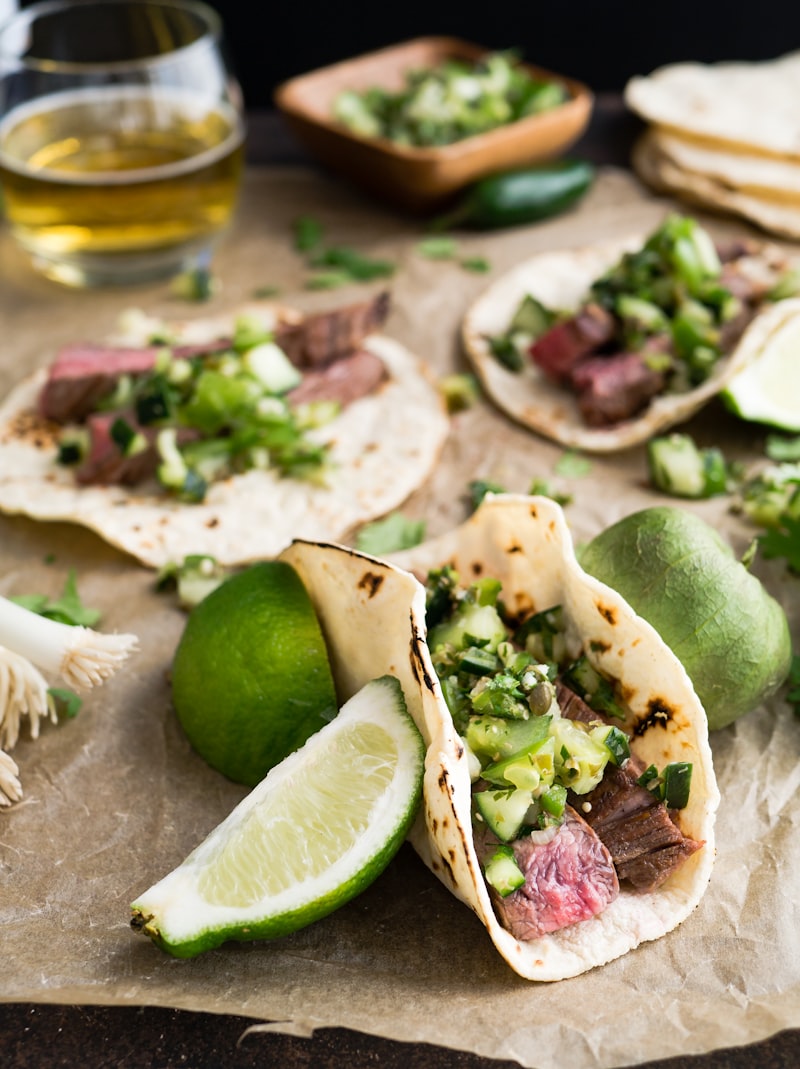
Cooking at home in Mexico does not require exotic equipment or advanced skills. The most affordable and satisfying Mexican meals rely on simple techniques and a handful of staple ingredients. A well-stocked Mexican pantry costs less than 300 pesos ($17.50 USD) to establish and can produce dozens of meals.
Start with these foundational dishes, all of which cost under 30 pesos ($1.75) per serving to prepare at home:
- Frijoles de olla (pot beans): Dried beans simmered with onion, garlic, and epazote herb. One kilogram makes eight to ten servings for approximately 3 pesos each.
- Arroz rojo (Mexican red rice): Rice toasted in oil and simmered with blended tomato, onion, and broth. Costs roughly 5 pesos per generous serving.
- Chilaquiles: Day-old tortillas cut into triangles, fried or baked, and simmered in salsa verde or roja. Topped with cream, cheese, and onion for about 20 to 25 pesos per serving.
- Enfrijoladas: Tortillas bathed in pureed beans and topped with cheese, cream, and onion. A complete meal for under 20 pesos.
- Quesadillas: Tortillas filled with Oaxaca cheese and optional additions like squash blossoms, huitlacoche, or mushrooms. About 15 to 25 pesos per serving.
- Sopa de fideo (noodle soup): Thin pasta toasted and simmered in tomato-chile broth. A comforting starter for about 8 pesos per serving.
The key investment for home cooking in Mexico is a blender (300 to 600 pesos for a durable model). Salsas, moles, and countless sauces require blending cooked chiles, tomatoes, and tomatillos. A comal (flat griddle) for heating tortillas and toasting chiles is also essential and costs only 80 to 150 pesos.
Protein Sources in Mexico
Protein is available at every price point in Mexico, but choosing the right sources can dramatically affect your food budget.
Eggs are Mexico's most consumed protein, with the country having the highest per-capita egg consumption in the world. A 30-pack (carton) costs 55 to 70 pesos ($3.20 to $4.10) at mercados, making eggs one of the cheapest and most versatile protein sources available.
Chicken is the most affordable meat, with whole chickens at mercados costing 55 to 70 pesos per kilogram ($3.20 to $4.10) and leg quarters going for 45 to 60 pesos per kilogram. Buying whole chickens and breaking them down at home maximizes value, with the carcass used for broth.
Pork is the second most affordable meat and essential for many Mexican dishes. Pork loin costs 80 to 110 pesos per kilogram, while fattier cuts like manteca (lard) and chicharron (pork cracklings) cost less and add substantial flavor to bean and masa dishes.
Dried beans and lentils remain the most cost-effective protein sources overall. At 20 to 30 pesos per kilogram, dried beans provide roughly 21 grams of protein per 100-gram dry weight at a fraction of the cost of any animal protein. Combined with corn tortillas, beans form a complete protein that has sustained Mexican populations for millennia.
Seafood varies enormously by location. Coastal cities like Veracruz, Mazatlan, and Ensenada offer fresh fish at 60 to 100 pesos per kilogram, while inland cities pay significantly more. Canned tuna and sardines (15 to 25 pesos per can) are affordable protein options available everywhere.
Beverages and Agua Fresca Savings
Beverage spending can silently erode a food budget. In Mexico, the most affordable hydration strategy centers on aguas frescas, the fruit-based beverages served at fondas, market stalls, and taco stands, often included free with a comida corrida.
Making agua fresca at home costs almost nothing. A liter of agua de jamaica (hibiscus) requires only 25 to 30 grams of dried hibiscus flowers (3 to 5 pesos worth) and sugar. Agua de horchata (rice and cinnamon drink) uses ingredients that cost under 10 pesos per liter. Seasonal fruit aguas made from mango, watermelon, or lime are similarly economical when fruit is in peak season.
Compared to bottled beverages, the savings are significant. A 600ml bottle of soda costs 18 to 22 pesos, while a liter of homemade agua fresca costs 5 to 10 pesos and provides better nutrition. Garrafones (20-liter water jugs) for drinking water cost 25 to 40 pesos and are the standard for household hydration, far cheaper than buying individual water bottles at 8 to 15 pesos each.
Coffee is affordable in Mexico, one of the world's largest producers. A kilo of locally roasted beans at a mercado costs 80 to 150 pesos ($4.70 to $8.80), providing roughly 50 to 60 cups. Cafe de olla, traditional pot-brewed coffee with piloncillo (raw cane sugar) and cinnamon, is a flavorful and inexpensive daily ritual.
Tips for Expats and Travelers
Whether you are visiting Mexico for a week or relocating long-term, these strategies will help you eat well while spending less.
For Short-Term Travelers (1-4 Weeks)
- Eat your main meal at midday. The comida corrida at fondas is the best food value in the country and is only available between 1:00 and 4:00 PM.
- Start mornings with tamales and atole. Street vendors sell tamales for 15 to 20 pesos and a cup of atole (warm corn-based drink) for 15 to 20 pesos, creating a filling breakfast for under $2.50 USD.
- Avoid the tourist grid. Walk two to three blocks away from main plazas, tourist streets, and hotel zones to find local prices. The difference can be 50 to 200 percent.
- Carry cash in small bills. Most fondas, street vendors, and mercado stalls do not accept cards, and paying with large bills (500 pesos) can be difficult to break.
- Use Google Maps to find mercados. Search for "mercado municipal" in any city to locate the nearest public market for affordable meals and groceries.
For Long-Term Expats (1+ Months)
- Learn your tianguis schedule. Do your main weekly produce shopping at the tianguis to save 30 to 50 percent over supermarkets.
- Build relationships with mercado vendors. Regular customers receive better prices, fresher products, and the occasional pilon (bonus item).
- Cook Mexican staples at home. A pot of beans, a batch of salsa, and a kilo of tortillas from the tortilleria creates a week's worth of base meals for under 80 pesos.
- Avoid imported products. Imported cheese, wine, packaged goods, and foreign brands carry markups of 50 to 300 percent. Local alternatives are almost always available and cheaper.
- Join local cooking groups. Many cities have Facebook groups and cooking classes where expats share mercado shopping tips and affordable recipes adapted for local ingredients.
Most long-term expats who follow these practices report monthly food spending of $150 to $250 USD per person, including occasional restaurant meals. This represents a 60 to 75 percent savings compared to equivalent food budgets in the United States or Canada.
Key Takeaways
- Shop at mercados and tianguis to save 20 to 50 percent over supermarket prices on produce, meat, and staples.
- Eat comida corrida at fondas for a multi-course lunch at $3.50 to $5.25 USD, the best prepared-food value in Mexico.
- Street food delivers extraordinary value, with tacos at $0.60 to $1.20 each and filling meals for under $5 USD.
- Buy seasonal produce to reduce fruit and vegetable costs by 50 to 70 percent.
- Master a few staple dishes like frijoles de olla, arroz rojo, and chilaquiles to cook at home for under $1.75 per serving.
- Make aguas frescas at home instead of buying bottled beverages to save 50 to 80 percent on drinks.
- Avoid tourist zones and imported products to keep spending in line with local prices.
- Long-term expats can spend $150 to $250 per month on food by following local shopping and eating patterns.
Frequently Asked Questions
A comida corrida (set lunch) at a fonda or comedor typically costs 60 to 90 Mexican pesos ($3.50 to $5.25 USD) and includes soup, rice, a main dish, tortillas, agua fresca, and sometimes dessert. Street food items like tacos, tamales, and elotes range from 10 to 25 pesos ($0.60 to $1.50) each. Cooking at home from mercado ingredients can bring the per-meal cost down to 25 to 40 pesos ($1.50 to $2.35).
In Mexico, the gap between eating out and cooking at home is much smaller than in the United States or Europe. Street food and fondas offer meals for $2 to $5, making them competitive with home cooking for solo travelers. However, cooking at home from mercado ingredients saves 30 to 50 percent for families or anyone staying longer than a few weeks. The most budget-efficient approach is to cook staples like beans and rice at home and supplement with affordable street food.
The cheapest staple foods in Mexico include dried beans (frijoles) at 20 to 30 pesos per kilogram, corn tortillas at 18 to 22 pesos per kilogram, rice at 18 to 25 pesos per kilogram, seasonal vegetables like chayote, calabaza, and nopales at 10 to 20 pesos per kilogram, eggs at 55 to 70 pesos per 30-pack, and dried chiles at 40 to 80 pesos per kilogram. Buying from mercados and tianguis rather than supermarkets can reduce prices by an additional 20 to 40 percent.
A fonda is a small, family-run restaurant serving affordable homestyle Mexican food, usually offering a comida corrida (set meal) at lunchtime. To find fondas, look near mercados (markets), in residential neighborhoods, or ask locals for recommendations. They typically operate from late morning to early evening and are identified by handwritten menus on chalkboards or paper signs listing the daily menu. Fondas rarely appear on tourist apps, so walking around neighborhoods and following where locals eat is the best strategy.
Oaxaca is widely considered the best city for affordable food in Mexico due to its rich culinary traditions, abundant mercados, and low cost of living. A comida corrida in Oaxaca costs 55 to 75 pesos ($3.20 to $4.40), and its markets like Mercado 20 de Noviembre and Central de Abastos offer extraordinary variety at low prices. Mexico City offers similarly low prices with more variety, while cities like Puebla, Guadalajara, and Merida also provide excellent value. Northern cities like Monterrey tend to be 15 to 25 percent more expensive for food.
Expats can save significantly by shopping at mercados and tianguis instead of supermarkets, eating the comida corrida at fondas for lunch (the largest meal of the day), cooking Mexican staples like beans, rice, and tortilla-based dishes at home, buying seasonal produce which can be 50 to 70 percent cheaper than out-of-season items, purchasing meat from local carniceros rather than packaged supermarket cuts, and avoiding imported foods which carry heavy markups. Most long-term expats report spending $150 to $250 per month on food by following these strategies.