The average American spends $270 per week on groceries according to recent USDA data. But what if you could cut that number by more than 80% and still eat three balanced meals every day? This guide proves it is possible. We break down exactly how to feed yourself on $50 per week -- roughly $7.14 per day or $2.38 per meal -- with a complete meal plan, itemized shopping list, and a batch cooking schedule that saves both money and time.
Is $50 a Week Realistic?
The short answer is yes -- with planning. The USDA's "Thrifty Food Plan" budgets approximately $55-60 per week for a single adult, so $50 sits just below the government's own baseline for affordable eating. Millions of Americans already eat on this budget out of necessity, and many do so by choice to save for other financial goals.
The key factors that determine your success at this price point are:
- Location matters. Grocery prices vary up to 30% between regions. Rural areas and the Midwest tend to be cheapest, while coastal cities and Alaska are most expensive.
- Cooking from scratch is non-negotiable. Pre-made and processed foods carry a convenience premium of 200-400%. A box of instant oatmeal costs $4; a canister of plain oats costs $2 and makes four times as many servings.
- Waste is the enemy. The average household throws away 30-40% of the food it buys. At $50 per week, you cannot afford to waste a single ingredient.
- A pantry foundation reduces weekly costs. Once you stock up on staples like rice, oil, and spices, your weekly variable spending drops significantly.
The Pantry Staple Foundation
Every budget kitchen needs a foundation of shelf-stable ingredients that form the backbone of dozens of meals. These items offer the highest calorie-per-dollar value and last weeks or months. If you are starting from an empty pantry, expect to spend $20-25 initially to stock up, then $5-8 per week to replenish as needed.
Essential Pantry Staples and Their Cost Per Serving
| Item | Typical Price | Servings | Cost/Serving | Cal/Serving |
|---|---|---|---|---|
| White or brown rice (5 lb bag) | $3.50 | 36 | $0.10 | 205 |
| Dried pinto or black beans (2 lb) | $2.50 | 24 | $0.10 | 245 |
| Old-fashioned oats (42 oz) | $3.00 | 30 | $0.10 | 150 |
| All-purpose flour (5 lb) | $2.80 | 40+ | $0.07 | 110 |
| Vegetable oil (48 oz) | $3.50 | 96 | $0.04 | 120 |
| Dried pasta (1 lb) | $1.00 | 8 | $0.13 | 200 |
| Peanut butter (16 oz) | $2.50 | 15 | $0.17 | 190 |
| Salt, pepper, garlic powder | $4.00 | 200+ | $0.02 | 0 |
Notice the pattern: the most affordable foods are also some of the most calorie-dense. A 5-pound bag of rice delivers over 7,000 calories for under $4. Combined with beans, you get a complete protein source for less than $0.25 per serving.
Protein Strategy on a Budget
Protein is typically the most expensive macronutrient on a grocery receipt, but it does not have to be. The trick is knowing which protein sources deliver the best grams-per-dollar ratio and rotating them throughout the week to keep meals interesting.
Top Budget Proteins Ranked by Cost Per 20g of Protein
| Protein Source | Price | Protein/Serving | Cost per 20g Protein |
|---|---|---|---|
| Dried lentils | $1.80/lb | 18g | $0.17 |
| Eggs (dozen) | $3.00 | 6g each | $0.83 |
| Dried black beans | $1.50/lb | 15g | $0.19 |
| Chicken thighs (bone-in) | $1.99/lb | 26g | $0.59 |
| Canned tuna | $1.00/can | 20g | $0.50 |
| Peanut butter | $2.50/jar | 7g/tbsp | $0.48 |
| Whole chicken | $1.29/lb | 25g | $0.40 |
| Cottage cheese | $3.00/16oz | 14g | $0.54 |
The strategy: Use legumes (lentils, beans) as your primary protein source for at least one meal per day. Supplement with eggs at breakfast and rotate chicken thighs, canned tuna, and peanut butter for the remaining protein needs. This approach keeps your weekly protein cost under $12 while delivering 60-80g of protein daily.
Produce on a Budget
Fresh fruits and vegetables do not have to wreck a tight budget. The secret is choosing produce that offers the most nutrition and volume per dollar, buying what is in season, and knowing when frozen is the smarter choice.
The Budget Produce All-Stars
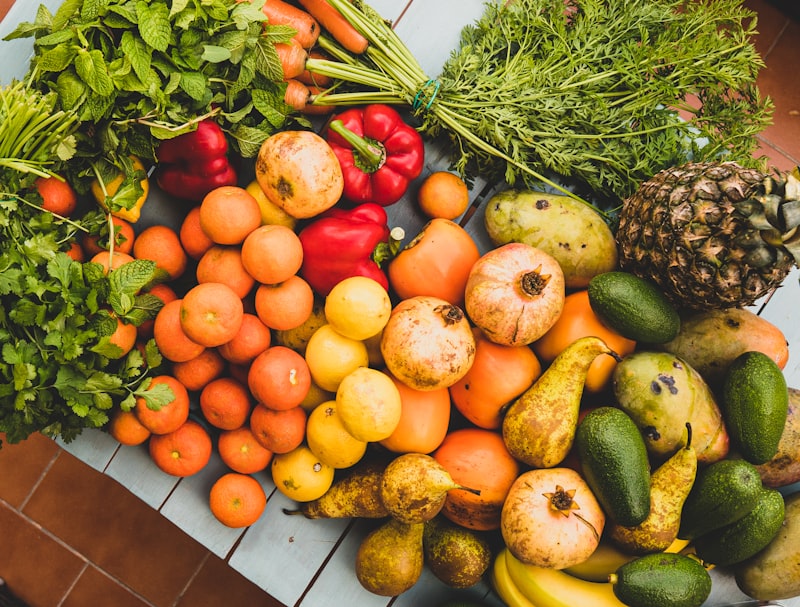
- Bananas ($0.20-0.25 each): The cheapest fruit in America. High in potassium, portable, and perfect for oatmeal topping or freezing for smoothies.
- Cabbage ($0.50-0.80/lb): One head makes slaw, stir-fry, soup, and wraps. Lasts 2-3 weeks in the fridge.
- Carrots ($1.00/2lb bag): Snack raw, roast as a side, dice into soups. Extremely long shelf life.
- Onions ($1.00/3lb bag): The flavor base of nearly every savory dish. Essential and cheap.
- Potatoes ($2.50/5lb bag): Versatile, filling, and nutrient-dense. Baked, mashed, roasted, or added to soups.
- Frozen vegetables ($1.00-1.50/lb): Flash-frozen at peak nutrition. Broccoli, peas, spinach, and mixed vegetable blends are all excellent choices with zero waste.
Pro tip: Avoid pre-washed, pre-cut, and organic options when budget is the priority. A whole head of cabbage costs $1.50; a bag of pre-shredded coleslaw mix costs $3.50 for a quarter of the volume.
Complete 7-Day Meal Plan with Costs
This meal plan delivers 1,800-2,200 calories per day at a total weekly cost of $48.75. Every meal uses ingredients from the shopping list in the next section, and the plan is designed so that leftovers from one meal feed into the next.
Monday -- Total: $6.55 | 1,950 cal
| Meal | Menu | Cost | Calories |
|---|---|---|---|
| Breakfast | Oatmeal with banana and peanut butter | $0.55 | 420 |
| Lunch | Rice and black beans with sauteed onion | $0.65 | 520 |
| Dinner | Baked chicken thighs with roasted potatoes and cabbage slaw | $2.85 | 680 |
| Snack | Peanut butter on bread | $0.35 | 330 |
Tuesday -- Total: $6.20 | 1,880 cal
| Meal | Menu | Cost | Calories |
|---|---|---|---|
| Breakfast | Scrambled eggs (2) with toast | $0.75 | 380 |
| Lunch | Leftover chicken and rice bowl with carrots | $1.10 | 510 |
| Dinner | Lentil soup with potatoes and onion, bread on the side | $1.25 | 620 |
| Snack | Banana and oat energy bites | $0.40 | 370 |
Wednesday -- Total: $6.80 | 2,010 cal
| Meal | Menu | Cost | Calories |
|---|---|---|---|
| Breakfast | Oatmeal with banana | $0.40 | 310 |
| Lunch | Tuna salad sandwich with shredded cabbage | $1.40 | 480 |
| Dinner | Pasta with homemade tomato-lentil sauce and frozen broccoli | $1.80 | 720 |
| Snack | Hard-boiled eggs (2) with salt and pepper | $0.50 | 155 |
Thursday -- Total: $7.15 | 2,100 cal
| Meal | Menu | Cost | Calories |
|---|---|---|---|
| Breakfast | Peanut butter banana toast with oats on the side | $0.60 | 450 |
| Lunch | Black bean and rice burrito bowl with cabbage | $0.85 | 560 |
| Dinner | Chicken stir-fry with frozen vegetables and rice | $2.60 | 710 |
| Snack | Carrot sticks with peanut butter | $0.35 | 220 |
Friday -- Total: $7.40 | 2,200 cal
| Meal | Menu | Cost | Calories |
|---|---|---|---|
| Breakfast | Egg fried rice with frozen peas and soy sauce | $0.85 | 480 |
| Lunch | Leftover lentil soup with bread | $0.80 | 520 |
| Dinner | Baked potato loaded with black beans, onion, and shredded cabbage | $1.30 | 640 |
| Snack | Oatmeal cookie (homemade with oats, banana, peanut butter) | $0.30 | 290 |
Saturday -- Total: $7.80 | 2,050 cal
| Meal | Menu | Cost | Calories |
|---|---|---|---|
| Breakfast | French toast (2 slices) with banana | $0.65 | 420 |
| Lunch | Tuna pasta salad with cabbage and carrots | $1.65 | 520 |
| Dinner | Homemade bean chili with rice and onion | $1.40 | 680 |
| Snack | Peanut butter banana smoothie (with oats and water) | $0.50 | 350 |
Sunday -- Total: $6.85 | 1,920 cal
| Meal | Menu | Cost | Calories |
|---|---|---|---|
| Breakfast | Oatmeal with peanut butter | $0.35 | 350 |
| Lunch | Leftover bean chili with bread | $0.90 | 550 |
| Dinner | Chicken and vegetable soup with potatoes, carrots, and cabbage | $2.50 | 620 |
| Snack | Toast with peanut butter and banana slices | $0.45 | 400 |
Weekly total: $48.75 with a $1.25 buffer for seasoning replenishment or a small treat.
Complete Shopping List with Prices
This list covers every ingredient needed for the 7-day meal plan above. Prices are based on national averages at stores like Walmart, Aldi, and Lidl.
Proteins -- $14.50
- Chicken thighs, bone-in (3 lbs) -- $5.97
- Eggs, large (1 dozen) -- $3.00
- Canned tuna (2 cans) -- $2.00
- Peanut butter, 16 oz jar -- $2.50
- Dried lentils (1 lb) -- $1.80
Grains and Starches -- $11.30
- White rice (5 lb bag) -- $3.50
- Old-fashioned oats (42 oz) -- $3.00
- Dried black beans (1 lb) -- $1.50
- Whole wheat bread (1 loaf) -- $2.30
- Pasta, spaghetti (1 lb) -- $1.00
Produce -- $10.45
- Bananas (1 bunch, ~7) -- $1.75
- Cabbage (1 head) -- $1.50
- Carrots (2 lb bag) -- $1.50
- Onions (3 lb bag) -- $1.50
- Potatoes (5 lb bag) -- $2.50
- Garlic (1 head) -- $0.50
- Frozen broccoli (16 oz) -- $1.20
Canned Goods and Pantry -- $8.50
- Canned diced tomatoes (2 cans) -- $2.00
- Vegetable oil (24 oz) -- $2.50
- Soy sauce (10 oz) -- $1.50
- Salt and pepper -- $1.50
- Garlic powder -- $1.00
Dairy and Other -- $4.00
- Butter (1 stick) -- $1.50
- Frozen peas (12 oz) -- $1.25
- Hot sauce -- $1.25
Grand total: $48.75
Batch Cooking Schedule
Spending two to three hours cooking on Sunday sets you up for the entire week. Here is the optimal batch cooking sequence that minimizes active time while maximizing output.
Sunday Prep Session (2.5 hours)
- Start the beans (5 min active): Rinse and soak black beans overnight Saturday night. Sunday morning, drain, cover with fresh water, and simmer for 60-90 minutes until tender.
- Cook a large pot of rice (5 min active): Make 6 cups of dry rice. This yields roughly 12 cups cooked, enough for 8-10 servings throughout the week.
- Roast chicken thighs (10 min active): Season all 3 pounds with salt, pepper, and garlic powder. Roast at 425 degrees for 35-40 minutes. Cool, then portion into meal-sized containers.
- Make lentil soup (15 min active): Saute onion and garlic, add lentils, diced potatoes, canned tomatoes, and water. Simmer 30 minutes. This yields 6-8 servings.
- Prep vegetables (15 min active): Shred half the cabbage for slaw and stir-fry. Peel and chop carrots into snack sticks. Dice onions for the week.
- Make energy bites (10 min active): Mix oats, peanut butter, mashed banana, and a pinch of salt. Roll into balls and refrigerate.
After this session you will have 5 ready-to-eat or reheat-only meals waiting in the fridge, plus prepped ingredients that cut weeknight cooking down to 15-20 minutes.
Snack Strategies Under $1
Snacking on a budget does not mean going hungry between meals. These options all cost under $0.50 per serving and provide genuine nutritional value rather than empty calories.
- Peanut butter on bread ($0.35): 330 calories with 10g protein and healthy fats that keep you full for hours.
- Hard-boiled eggs, 2 ($0.50): 155 calories, 12g protein. Boil a batch on Sunday and keep them in the fridge all week.
- Banana ($0.25): 105 calories, potassium, fiber. The ultimate grab-and-go budget snack.
- Carrot sticks with peanut butter ($0.35): Crunchy, satisfying, and packed with vitamin A and healthy fats.
- Oat energy bites ($0.30 each): Oats, peanut butter, and banana rolled into no-bake balls. Sweet, filling, and portable.
- Leftover rice with soy sauce ($0.15): A warm, savory snack using rice you have already cooked. Add a fried egg for $0.40 total.
Emergency $30/Week Plan
If $50 is still too much this week, here is a stripped-down plan that covers the basics at $30 or less. It is not glamorous, but it delivers roughly 1,600-1,800 calories per day with adequate protein and essential nutrients.
The $30 Shopping List
| Item | Cost | Role |
|---|---|---|
| Rice, 5 lb bag | $3.50 | Calorie base |
| Dried beans, 2 lbs | $3.00 | Protein + fiber |
| Oats, 42 oz | $3.00 | Breakfast base |
| Eggs, 1 dozen | $3.00 | Protein + versatility |
| Peanut butter, 16 oz | $2.50 | Protein + calories |
| Bread, 1 loaf | $2.30 | Quick meals |
| Bananas, 7 | $1.75 | Fruit + potassium |
| Cabbage, 1 head | $1.50 | Vegetables + fiber |
| Onions, 3 lbs | $1.50 | Flavor base |
| Potatoes, 5 lbs | $2.50 | Filling + vitamin C |
| Vegetable oil | $2.50 | Cooking fat + calories |
| Salt | $1.00 | Seasoning |
Total: $28.05. Meals rotate between oatmeal with banana, rice and beans with onion, egg and potato hash, peanut butter sandwiches, and cabbage-potato soup. It is repetitive but nutritionally sound and keeps you fed through a tight financial stretch.
If you find yourself regularly needing the $30 plan, explore resources like SNAP benefits, local food banks, and community meal programs. There is no shame in using these supports -- they exist exactly for situations like this.
Scaling for Families
The $50/week plan is designed for a single person, but the principles scale efficiently for larger households. Here is what to expect at different family sizes.
| Household Size | Weekly Budget Target | Per Person/Day | Key Adjustments |
|---|---|---|---|
| 1 adult | $50 | $7.14 | Base plan as described |
| 2 adults | $85-95 | $6.40 | Buy larger packages, share cooking duties |
| Family of 3 | $120-140 | $6.00 | Bigger batch cooking, bulk grains and beans |
| Family of 4 | $150-180 | $5.70 | Warehouse club membership may pay off, whole chickens, 25 lb rice bags |
Family-Specific Tips
- Buy whole chickens instead of parts. A 5-pound chicken at $1.29/lb ($6.45 total) feeds a family of four for two meals, and the carcass makes a pot of soup for a third.
- Invest in a slow cooker. A $20 slow cooker pays for itself within two weeks by turning cheap cuts and dried beans into hands-off family meals.
- Embrace "theme nights." Taco Tuesday (beans, rice, cabbage slaw), Stir-Fry Thursday (whatever vegetables are on hand with rice), Soup Sunday. Kids like the predictability and it simplifies your planning.
- Let kids help with meal prep. Children who participate in cooking are more likely to eat the food without complaints, reducing waste and mealtime stress.
Key Takeaways
Build Around Staples
Rice, beans, oats, eggs, and peanut butter form the caloric and protein foundation. These five items alone can feed you for under $3 per day.
Batch Cook on Sundays
Two to three hours of prep on one day eliminates the temptation to order takeout on busy weeknights and ensures every ingredient gets used.
Eliminate Waste Ruthlessly
At $50 per week, every wasted ingredient is a missed meal. Plan leftovers into your schedule and freeze anything you cannot eat within three days.
Shop Smart, Not Often
One trip per week to a discount grocer like Aldi or Lidl saves gas, time, and impulse purchases. Stick to the list religiously.
Protein Does Not Have to Be Expensive
Lentils, beans, and eggs deliver protein for pennies per serving. You do not need steak to meet your nutritional needs.
Start Where You Are
If $50 is too tight this week, use the $30 emergency plan. If you have more room, add variety with seasonal produce and different proteins.