Takeout and food delivery have become a default for millions of Americans. Between DoorDash, Uber Eats, Grubhub, and your local pizza place, ordering in has never been easier. But that convenience comes with a price tag most people never fully calculate. If you are spending $50, $100, or even $200 a week on delivery, you are not alone — and there are practical, realistic ways to cut that number in half without feeling deprived.
The True Cost of Takeout: More Than Just the Menu Price
When you see a $15 pad Thai on a delivery app, you are not paying $15. Between platform fees, delivery charges, service fees, tips, and inflated menu prices, that single meal often costs $25 to $30 by the time it reaches your door. Here is how the real math breaks down.
Hidden Cost Breakdown: A Typical $30 Delivery Order
| Cost Component | Amount | Percentage of Total |
|---|---|---|
| Menu items (at restaurant price) | $25.00 | 53% |
| Menu markup (app premium) | $5.00 | 11% |
| Delivery fee | $4.99 | 11% |
| Service fee | $4.50 | 9% |
| Tip | $6.00 | 13% |
| Small order fee (if applicable) | $2.00 | 4% |
| Actual total paid | $47.49 | 100% |
That $30 order actually costs nearly $48 — a 58% markup over the base menu price at the restaurant.
The menu markup alone is a hidden tax most people overlook. Restaurants raise their prices on delivery apps by 15-30% to offset the commission fees they pay to the platform. So before a single fee is added, you are already paying more than you would at the counter.
Tracking Your Takeout Spending
The first step to spending less on takeout is understanding exactly how much you currently spend. Most people dramatically underestimate their delivery expenses. A "once or twice a week" habit often turns out to be four or five orders when you actually check your bank statements.
Here is how to get an honest picture of your takeout spending:
- Check your bank and credit card statements for the last 90 days. Search for DoorDash, Uber Eats, Grubhub, Postmates, pizza, and restaurant charges.
- Review your delivery app order history. Every major app shows your complete order history with totals. Add up the last three months and divide by three for your monthly average.
- Include cash orders. If you pay cash for local takeout, estimate those amounts based on frequency and typical order size.
- Categorize by type: pizza delivery, fast food drive-through, restaurant delivery, and coffee runs all count. Many people forget that the $6 latte three times a week is $936 a year.
Once you have your real number, the motivation to change often comes naturally. Seeing "$387 last month on DoorDash" on a screen hits differently than vaguely knowing you "order out sometimes."
The 2x Rule: Replace Two Takeout Meals Per Week
Trying to eliminate takeout entirely is a recipe for failure. Cold-turkey approaches rarely stick because they fight against the very real convenience and comfort that delivery provides. Instead, use the 2x Rule: commit to replacing just two takeout meals per week with home-cooked alternatives.
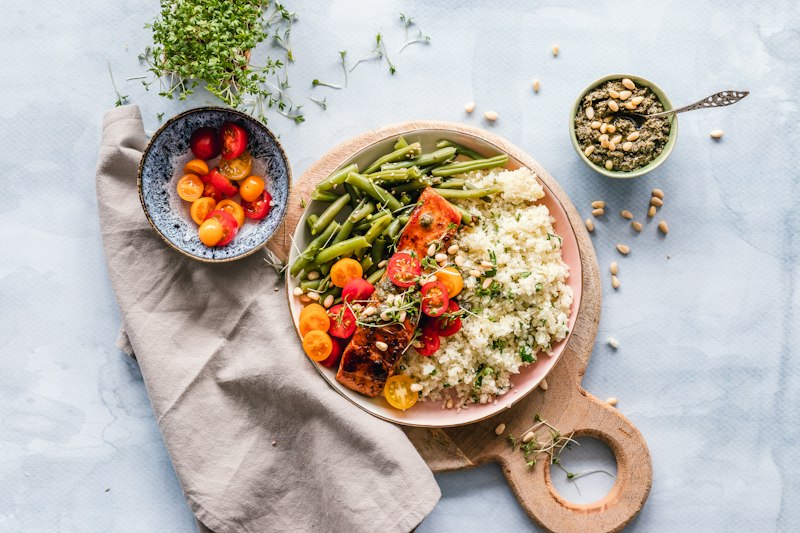
The math is compelling. If your average delivery order costs $35 (including all fees and tip) and the equivalent home-cooked meal costs $8 in ingredients, each replacement saves $27. Two replacements per week equals $54 in weekly savings, or $234 per month and $2,808 per year.
2x Rule Annual Savings Projection
| Scenario | Weekly Cost | Monthly Cost | Annual Cost |
|---|---|---|---|
| Current: 5 takeout meals/week at $35 | $175 | $758 | $9,100 |
| With 2x Rule: 3 takeout + 2 homemade | $121 | $524 | $6,292 |
| Your savings | $54 | $234 | $2,808 |
Start by identifying your two easiest replacements. For most people, that is a weeknight dinner that can be replaced by a 20-minute stir-fry and a lunch that can be swapped for leftovers or a batch-prepped meal.
Copycat Recipes That Beat Delivery
The key to replacing takeout successfully is making food you actually crave, not settling for a sad salad when you really wanted orange chicken. Copycat recipes let you replicate your favorite restaurant meals at home for a fraction of the cost.
Here are the five highest-impact copycat recipes to master first, based on popularity and cost savings:
- Fried rice — Uses leftover rice, any protein, frozen vegetables, soy sauce, and eggs. Total cost: $3-4 per serving vs. $14-18 delivered. Time: 15 minutes.
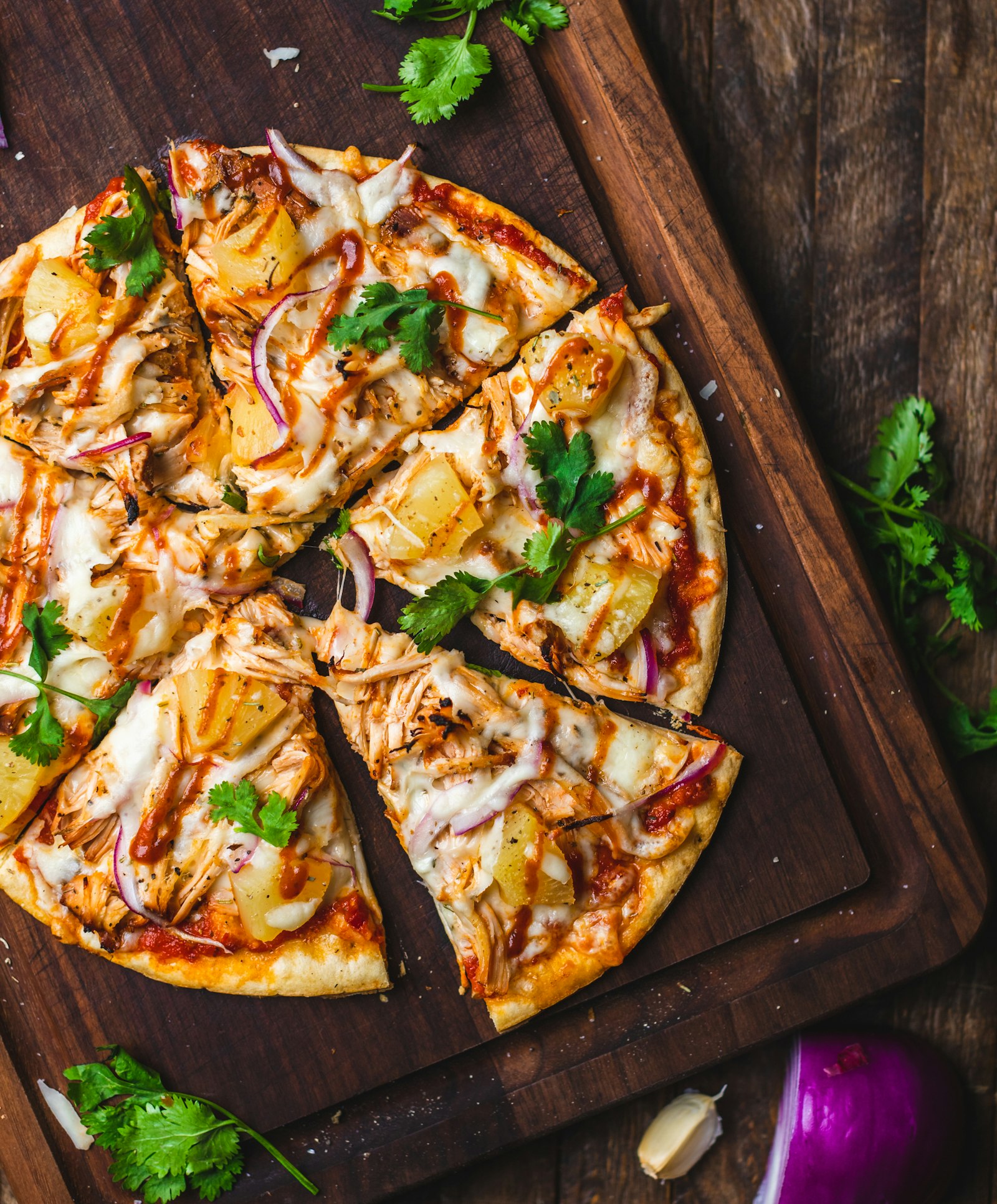
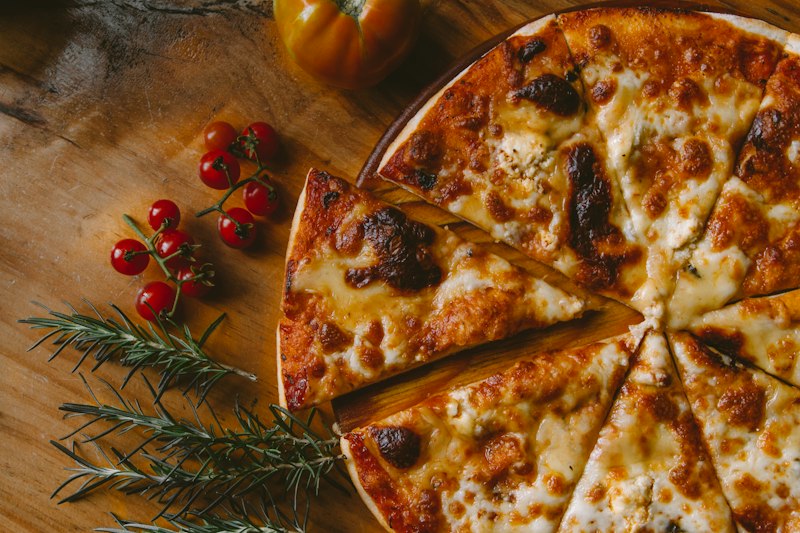
- Homemade pizza — Basic dough takes 5 minutes of active work. Add sauce, cheese, and your favorite toppings. Total cost: $5-7 for an entire pizza vs. $22-30 delivered. Time: 30 minutes including bake time.
- Burrito bowls — Rice, seasoned beans, grilled chicken or ground beef, salsa, cheese, and lettuce. Total cost: $3-4 per bowl vs. $12-16 from Chipotle. Time: 20 minutes.
- Chicken tikka masala — Yogurt-marinated chicken in a spiced tomato-cream sauce over rice. Total cost: $4-5 per serving vs. $16-22 delivered from an Indian restaurant. Time: 40 minutes.
- Pad Thai — Rice noodles, shrimp or chicken, bean sprouts, peanuts, and a simple tamarind sauce. Total cost: $4-5 per serving vs. $15-20 delivered. Time: 25 minutes.
Each of these recipes uses ingredients that are available at any grocery store and requires no special equipment. Learn one new copycat recipe per week, and within a month you will have a rotation that covers your most common cravings.
Batch Cooking Replacements
The number one reason people order takeout is that they are tired and hungry with nothing ready to eat. Batch cooking eliminates this trigger entirely by ensuring you always have a home-cooked meal waiting in the fridge or freezer.
Focus on these batch-cooking staples that reheat well and satisfy like takeout:
- Chili or curry: Makes 8-10 servings, freezes perfectly, costs $1.50 per serving vs. $15 delivered.
- Pulled chicken or pork: Slow-cook a large batch and use it across tacos, sandwiches, rice bowls, and salads all week.
- Pasta sauce: A big pot of homemade marinara costs $4 total and replaces $12-15 jarred sauces or $30 pasta delivery.
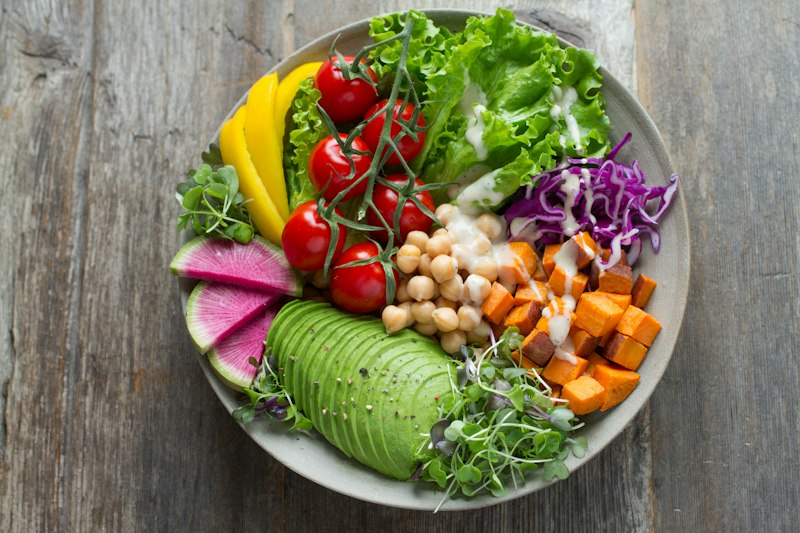
- Grain bowls: Cook a large batch of rice or quinoa, roast a sheet pan of vegetables, and prep a protein. Mix and match all week.
- Soup: One pot of soup yields 6-8 servings at roughly $1 each and requires almost no active cooking time.
The goal is not to become a gourmet chef. It is to have something in the fridge that you can microwave in three minutes when the delivery app calls your name at 8 PM on a Wednesday.
Strategic Takeout: When It Is Worth It
Spending less on takeout does not mean eliminating it entirely. Some takeout orders are genuinely worth the money, and being strategic about when you order can make your takeout budget stretch further.
Takeout makes financial sense in these situations:
- Cuisine that requires specialty equipment: Tandoori dishes, authentic ramen, wood-fired pizza, and sushi require equipment and skills that make home cooking impractical.
- Large family meals on special occasions: A $60 Chinese feast for six people works out to $10 per person, which is reasonable for a celebratory meal.
- When your time is genuinely worth more: If working an extra hour earns you $50 and a $25 delivery order frees up that hour, the math works out.
- Meals that involve expensive one-time ingredients: If a recipe calls for a $12 spice you will use once, ordering out may be cheaper than buying the ingredient.
The key is intentionality. Order takeout because you chose to, not because you defaulted to it out of exhaustion or habit.
Delivery App Hacks and Savings
When you do order delivery, these strategies can reduce your costs significantly:
- Stack promo codes: Sign up for email lists from DoorDash, Uber Eats, and Grubhub. Each platform regularly sends 20-40% off promo codes, especially if you have not ordered in a while. Some users rotate between apps, only ordering when they have a discount.
- Order during off-peak hours: Delivery fees are often lower during lunch (11 AM - 1 PM on weekdays) and midweek evenings. Friday and Saturday dinner rush often includes surge pricing.
- Compare prices across apps: The same restaurant can have different prices and fees on DoorDash vs. Uber Eats. Spend 30 seconds checking both before ordering.
- Order directly from the restaurant: Many restaurants offer their own online ordering with lower prices (no app markup) and free or reduced delivery fees. Check the restaurant's website before opening a delivery app.
- Group orders with neighbors or coworkers: Splitting a delivery fee across three or four orders reduces the per-person cost dramatically.
- Use credit card dining rewards: Cards like the Chase Sapphire, Capital One Savor, and American Express Gold offer 3-4x points on dining and delivery, effectively giving you 3-4% back on every order.
- Set a weekly delivery budget in the app: Some apps let you set spending limits or alerts. Use these features to prevent mindless ordering.
Pickup vs. Delivery Savings
If you are going to order restaurant food, picking it up yourself is one of the simplest ways to save. The difference between pickup and delivery on the same order is often 30-40%.
Pickup vs. Delivery: Same $25 Order
| Cost Component | Delivery | Pickup |
|---|---|---|
| Menu price | $29.00 (app markup) | $25.00 |
| Delivery fee | $4.99 | $0.00 |
| Service fee | $4.35 | $0.00 |
| Tip | $5.80 | $0.00 |
| Total | $44.14 | $25.00 |
| Pickup saves you $19.14 (43%) on this order | ||
Many restaurants also offer pickup-exclusive deals, loyalty rewards for in-store orders, and larger portions when you order directly. The food is usually fresher too, since it has not spent 30 minutes in a delivery driver's car.
Meal Prep Sundays
Dedicating two to three hours on Sunday to meal prep is the single most effective strategy for reducing weeknight takeout. When you open the fridge and see five ready-to-eat meals, the temptation to open DoorDash evaporates.
Here is a sample Meal Prep Sunday schedule that takes about 2.5 hours and yields 10 meals for the week:
- 0:00 - 0:10: Start a large pot of rice or grain on the stove and preheat the oven to 400 degrees.
- 0:10 - 0:25: Season and arrange two sheet pans of vegetables (broccoli, sweet potatoes, bell peppers, onions) and a sheet pan of chicken thighs or tofu.
- 0:25 - 0:30: Put everything in the oven. Start a pot of beans or lentils on the stove.
- 0:30 - 1:00: While everything cooks, prepare sauces, wash greens, chop raw vegetables for snacking, and hard-boil a dozen eggs.
- 1:00 - 1:30: Remove items from oven. Let cool slightly while you prepare containers.
- 1:30 - 2:00: Assemble grain bowls, portion soups or chili, and pack lunches for the first half of the week.
- 2:00 - 2:30: Clean up and freeze any meals intended for Thursday through Saturday.
Total grocery cost for these 10 meals: approximately $35-45. That is $3.50-4.50 per meal compared to $25-35 per meal via delivery. Over the course of a month, Meal Prep Sunday saves the average takeout-heavy household $600 or more.
Creating a Takeout Budget
Rather than trying to eliminate takeout with willpower alone, give yourself a defined monthly takeout budget. This approach works because it removes guilt from the orders you do place while creating a natural limit on overspending.
Follow these steps to set a realistic takeout budget:
- Calculate your current monthly takeout spending using the tracking method from earlier.
- Set a target that is 50% of your current spending. If you are spending $400 per month, your target is $200.
- Convert that to a weekly allowance. A $200 monthly budget equals roughly $46 per week, or about one to two delivery orders.
- Use cash or a prepaid card. Load your weekly takeout allowance onto a separate card. When it is empty, you cook at home. This physical constraint is far more effective than mental willpower.
- Track and adjust monthly. If $200 feels too tight, raise it to $250. If it feels easy, lower it to $150. The goal is sustainable reduction, not deprivation.
After three months on this system, most people find their natural ordering frequency has dropped permanently. The budget becomes a safety net rather than a constraint.
Takeout Alternatives That Still Feel Like a Treat
Part of what makes takeout appealing is the feeling of treating yourself. You can replicate that experience at home without the delivery markup:
- Frozen meals from Trader Joe's or Costco: High-quality frozen meals cost $3-6 and are ready in minutes. They scratch the same itch as takeout at a quarter of the price.
- Rotisserie chicken dinners: A $7 rotisserie chicken from the grocery store feeds a family of four. Add a bag salad ($3) and a baguette ($2) for a $12 dinner that feels like a feast.
- Meal kit services on sale: Services like EveryPlate and Dinnerly offer meals for $5-7 per serving, which is still far less than delivery. Use new-customer promotions to get the first few boxes at steep discounts.
- Homemade "takeout nights": Designate one night per week as takeout night, but cook the meal yourself. Use real takeout containers, eat on the couch, and watch a movie. The ritual matters more than the source of the food.
- Grocery store prepared foods: Deli counter meals, pre-made sushi, and hot bar items cost 50-70% less than the same food delivered from a restaurant.
The Social Dining Factor

A significant portion of takeout spending is social. Ordering delivery with friends, getting pizza for game night, or grabbing takeout before a movie are all social rituals tied to convenience.
You do not have to sacrifice the social element to save money. Here are alternatives that keep the connection without the cost:
- Potluck dinners: Each person brings one dish. A group of four spends $10-15 each and ends up with a four-course meal that would cost $40-50 per person at a restaurant.
- Cooking parties: Invite friends over to cook together. Making homemade pizza, tacos, or sushi rolls is genuinely fun and costs a fraction of ordering in.
- BYOB dinners: Cook at home and ask guests to bring drinks. A home-cooked dinner with a bottle of wine costs 70% less than the same experience at a restaurant.
- Themed dinner nights: Pick a cuisine, assign courses, and make it an event. Thai night, taco Tuesday, or homemade ramen night gives you something to look forward to without the delivery fees.
The social connection is what people actually crave, not the Styrofoam container. When you shift the gathering to a kitchen instead of an app, you save money and often have a better time.
Key Takeaways
- A $30 delivery order actually costs $45-50 when you include fees, markups, service charges, and tip. Understanding the true cost is the first step to change.
- Use the 2x Rule: replace just two takeout meals per week with home-cooked alternatives to save over $2,800 per year.
- Master five copycat recipes that cover your most common cravings: fried rice, pizza, burrito bowls, curry, and pad Thai.
- Meal Prep Sundays eliminate the biggest takeout trigger by ensuring you always have ready-to-eat meals in the fridge.
- Picking up instead of getting delivery saves 30-40% on every order with zero extra effort.
- Set a monthly takeout budget at 50% of your current spending and use a separate card to enforce it.
- Strategic takeout is fine. The goal is not elimination but intentionality. Order when it makes sense, cook when it saves you money.
- Replace the social ritual, not just the food. Potlucks, cooking parties, and themed dinner nights are cheaper and often more enjoyable than delivery.
Frequently Asked Questions
How much does the average American spend on takeout per month?
The average American spends between $200 and $300 per month on takeout and food delivery. For frequent users of apps like DoorDash, Uber Eats, and Grubhub, that figure can climb to $400 or more when you factor in delivery fees, service charges, tips, and menu markups that are typically 15-30% higher than in-restaurant prices.
Is it cheaper to pick up takeout or have it delivered?
Picking up your order is significantly cheaper than delivery. A typical delivery order includes $3-8 in delivery fees, a 15-18% service charge, and an expected tip of 15-20%. On a $30 order, delivery can add $15-20 in extra costs, making the total $45-50. Picking up the same order saves you 30-40% instantly, and many restaurants offer pickup-only discounts of 10-15%.
What are the best copycat recipes to replace expensive takeout?
The most cost-effective copycat recipes to master are fried rice (saves $10-15 vs. Chinese takeout), homemade pizza dough with toppings (saves $15-20 vs. delivery pizza), chicken tikka masala or butter chicken (saves $12-18 vs. Indian takeout), burrito bowls (saves $8-12 vs. Chipotle), and pad Thai (saves $10-14 vs. Thai delivery). These five recipes alone can save a family over $200 per month.
How do I stop ordering takeout so often?
Start with the 2x Rule: replace just two takeout meals per week with home-cooked alternatives. Delete delivery apps from your phone and use a 24-hour rule before ordering. Batch cook on Sundays so you always have ready-to-eat meals available. Keep a running tally of your monthly takeout spending to stay accountable. Most people find that once they see the real numbers, motivation comes naturally.
Are delivery app subscription services like DashPass worth it?
Subscription services like DashPass ($9.99/month), Uber One ($9.99/month), and Grubhub+ ($9.99/month) only save money if you order delivery frequently and your orders are above the minimum threshold (usually $12-15). If you order 8 or more times per month, a subscription can save $30-50 in delivery fees. However, research shows subscribers tend to order 20-30% more often, which can negate savings. A better strategy is to reduce ordering frequency and pick up instead.
What is the cheapest day to order takeout?
Tuesday and Wednesday are typically the cheapest days to order takeout. Many restaurants offer midweek specials and promotions to boost slow-day traffic. Delivery apps also run more promotions on these days. Avoid ordering on Friday and Saturday evenings when demand surcharges are common and delivery times are longest. Additionally, ordering during off-peak hours (2-5 PM) often yields better deals and faster service.